Allulose Suppliers & Manufacturers
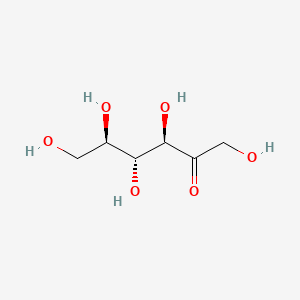
Identifiers
Functions
What does available trade activity indicate for Allulose?
Allulose is classified under HS Code 2940.00. This falls under Chapter 29: Organic chemicals, specifically Heading 2940 (Sugars, chemically pure, other than sucrose, lactose, maltose, glucose and fructose; sugar ethers, sugar acetals and sugar esters, and their salts, other than the products of heading 29.37, 29.38, or 29.39), under subheading: Sugars, chemically pure, other than sucrose, lactose, maltose, glucose and fructose; sugar ethers, sugar acetals and sugar esters, and their salts, other than the products of heading 29.37, 29.38, or 29.39.
* The data below is specific to the HS code, not the ingredient.
Suppliers
342
Across 48 countries
Shipments
2,858
from 2015 to 2026
Total weight
95.1M kg
8,032 TEU · standard 20-foot container units
Last shipment
8 months ago
Last updated at Feb 25, 2026
Growth
↑ 38%
Trade under 2940.00 has increased by 38% over the past 6 months
What does trade activity suggest about the allulose supply chain?
Trade activity under HS code 2940.00 shows a large, active flow of chemically pure sugars and sugar derivatives, with 342 suppliers, 2,858 shipments, and roughly 95 million kg moved since 2015. The recent growth score of 41.9 indicates moderate expansion in the last 180 days. This suggests a mature and functioning supply chain for the broader category, but it is not evidence of allulose-specific volume. The presence of major carbohydrate specialists like Beneo Palatinit and Roquette Freres with high shipment counts implies that established sweetener and sugar-alternative players are active in this classification, which is relevant context for allulose sourcing.
What does the HS or HTS classification include, and where are its limits for allulose?
HS code 2940.00 covers chemically pure sugars other than sucrose, lactose, maltose, glucose, and fructose, plus sugar ethers, acetals, esters, and their salts. This is a broad organic chemistry category that includes many compounds beyond allulose, such as other rare sugars, sugar alcohols, and pharmaceutical intermediates. The classification scope therefore cannot confirm that any specific shipment contains allulose. The practical limit is that this code captures a wide range of trade activity, including pharmaceuticals and other organics, so it provides directional supply-chain context rather than ingredient-level verification. Allulose-specific volume and supplier confirmation require product-level documentation.
Which suppliers are associated with Allulose trade?
| Supplier | Shipments | Top customer | Growth | Last shipment | |
|---|---|---|---|---|---|
No suppliers found. | |||||
How concentrated or diversified does the supplier landscape appear for allulose?
The supplier landscape appears fragmented, with 342 distinct suppliers across 48 countries, but with notable concentration in shipment volume. Beneo Palatinit alone accounts for 624 of 2,858 total shipments, representing roughly 22% of activity, while the top five suppliers by shipment count contribute over 40% of total shipments. This suggests a core of high-volume players, likely including major carbohydrate and sweetener manufacturers, surrounded by a long tail of smaller suppliers and logistics intermediaries. The presence of many freight forwarders and trading companies indicates that direct manufacturer identification is not possible from this data alone.
Which supply risks or dependencies around allulose require further diligence?
The primary supply risk is the inability to confirm allulose-specific sourcing from this trade data, given the broad HS code scope. Further diligence is required to verify whether high-volume suppliers like Beneo Palatinit and Roquette Freres actually produce or trade allulose, or whether their activity relates to other compounds under this classification. The high number of Chinese suppliers with recent shipments suggests potential supply concentration risk in that region, but product-level detail is needed to assess true dependency. Additionally, the presence of pharmaceutical and logistics entities indicates that some activity is unrelated to food-grade allulose, requiring direct supplier qualification.
Which sourcing geographies and trade lanes appear most relevant to allulose?
The most relevant sourcing geographies are Belgium, Japan, Thailand, and China, which together account for the majority of shipment volume in this classification. Belgium leads with 671 shipments and 28.8 million kg, followed by Thailand at 351 shipments and 15.2 million kg, Japan at 478 shipments and 14.5 million kg, and China with 319 shipments and 7.8 million kg. These lanes suggest strong European and Asian supply routes. China has the highest supplier count at 83, indicating a fragmented but active export base. The data does not confirm these lanes are allulose-specific, but they represent the primary trade corridors for this chemical sugar category.
Which countries drive Allulose trade activity?
By shipment count
Belgium
671 shipments
17 suppliers
28.8M kg total weight
Japan
478 shipments
12 suppliers
14.5M kg total weight
Thailand
351 shipments
11 suppliers
15.2M kg total weight
China
319 shipments
83 suppliers
7.8M kg total weight
Israel
234 shipments
11 suppliers
4.1M kg total weight
Germany
187 shipments
30 suppliers
4.7M kg total weight
Mexico
98 shipments
22 suppliers
3.1M kg total weight
South Korea
86 shipments
19 suppliers
1.9M kg total weight
India
57 shipments
14 suppliers
745.2K kg total weight
Singapore
56 shipments
4 suppliers
3.6M kg total weight