“MAB CARNAUBA WAX... The carnauba car liquid wax repels water and, Consequently, most contaminants... produces a glossy finish... used in automobile waxes”
Carnauba Wax Consumer Sentiment
CtrlK
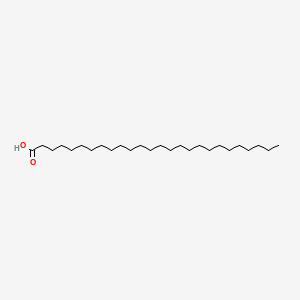
Identifiers
FormulaC26H52O2·CAS506-46-7·EC208-040-2
Functions
SKIN Conditioning - EmollientFILM Forming +1 more
Hazards

How do consumers feel about products containing Carnauba wax?
Positive
Mixed
Negative
Consumers view Carnauba Wax as a versatile, high-quality natural ingredient that provides durable protection and shine across automotive, wood finishing, and cosmetic applications.
Which consumer needs, benefits, and objections are associated with carnauba wax?
Consumers associate carnauba wax with high-gloss aesthetics, durability, and natural origin, valuing its hardness and protective layer for floors, wood, and cars. It is also noted for versatility, including use in food production. No explicit consumer objections were captured in the available evidence, which is a material gap. The positive sentiment is consistent across consumer and influencer posts, but the absence of negative feedback limits a balanced view of potential concerns such as cost, application difficulty, or sourcing ethics.
What do consumers discuss about Carnauba wax?
Automotive Gloss and Protection
Carnauba wax is highly valued in car detailing for providing a glassy shine, water repellency, and durable protective barriers against contaminants.
facebook
youtube
Natural Wood and Leather Care
Users appreciate Carnauba wax in wood polishes and leather creams for its ability to create a durable, attractive sheen and protect surfaces from wear and tear.
facebook
pinterest
Cosmetic Texture and Finish
In cosmetics, Carnauba wax is recognized for adding structure, waterproofing, and a smooth finish to products like lip balms, toothbrushes, and creams.
instagram
facebook
Food Safety and Natural Alternatives
Consumers value Carnauba wax as a safe, plant-based alternative to synthetic sealers or gelatin, particularly in food-contact wood finishes and vegan candies.
facebook
How are current products and patent claims responding to consumer concerns about carnauba wax?
Current products and patent claims respond to consumer needs for durability, water resistance, and sensory appeal, though not to explicit objections since none were documented. Commercial products span cosmetics, automotive care, and household polishes, leveraging carnauba wax for film formation and hardness. Patent claims show formulation strategies to enhance water resistance in sunscreens and create light, watery textures, while another claim develops synthetic substitutes to address potential supply or sustainability concerns. These responses are claimed approaches, not evidence of market adoption.
Where is the gap between consumer expectations and the current carnauba wax offering?
The gap lies in the lack of documented consumer objections, making it unclear whether current offerings fully meet expectations. Consumers praise carnauba wax for gloss, hardness, and natural origin, and products deliver on these through widespread use in cosmetics and polishes. However, the evidence does not reveal whether consumers seek improvements in areas like ease of application, long-term durability, or sustainability. This absence of negative feedback is a significant gap, as it prevents identifying unmet needs that formulation innovations might address.
Which formulation approaches are being used to address those concerns around carnauba wax?
Formulation approaches focus on combining carnauba wax with complementary ingredients to improve performance and sensory attributes. In sunscreens, it is paired with hydrogenated rapeseed oil and specific esters to boost water resistance, or with oils, fillers, and polymers to achieve a light, watery feel and enhanced SPF. For industrial applications, it serves as a primary wax matrix in coatings. Another approach develops partially substituted compositions using synthetic hydrocarbons to replicate carnauba wax properties, potentially addressing cost or supply stability.
What consumer-led opportunity or risk should researchers consider for carnauba wax?
A key opportunity is leveraging carnauba wax's natural origin and durability to strengthen positioning in premium and eco-conscious markets, as consumers already value these attributes. The risk is that patent activity on synthetic substitutes suggests potential supply chain or cost pressures, which could undermine the 'natural' appeal if substitutes gain traction. Researchers should monitor whether consumer preference for natural ingredients outweighs potential cost or performance advantages of substitutes, as this will determine the strategic value of carnauba wax in future formulations.