Products & Brands Using Carnauba Wax
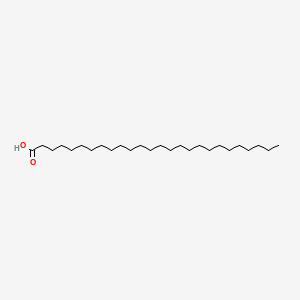
Identifiers
Functions
Hazards

How broadly is Carnauba wax used across tracked brands and products?
Brands
72
Across 35 product types
Products
973
Includes function: Anti-adhesive/cohesive
Product Types
35
Distinct formulation categories
Functions
17
Known functional-use labels
What does product breadth indicate about the commercial maturity of carnauba wax?
The product breadth indicates a mature commercial market. Carnauba wax appears in 973 products across 35 product types, with usage recorded from 1987 through 2022. Its presence in both legacy formulations and recent 2019 products, across mass-market and premium brands, shows sustained adoption rather than a passing trend. Patent activity from 2026 across cosmetics, packaging, and automotive further confirms ongoing industrial relevance. This maturity means differentiation is unlikely through basic use; innovation would need to focus on novel combinations or specific performance claims.
How is carnauba wax positioned across the market?
Carnauba wax is positioned as a functional structural ingredient across mass-market and premium brands. It appears in 973 products from 72 brands, including Maybelline, L'Oreal, Cover Girl, and SC Johnson, as well as smaller mineral makeup lines. Its presence in both waterproof mascaras and long-wear lipsticks supports claims of durability and water resistance. In automotive care, brands like Turtle Wax use it in wash-and-wax and paste wax formats. This dual positioning in cosmetics and industrial care shows it is marketed for performance benefits rather than as a single-category specialty ingredient.
Top companies using Carnauba wax in their products
Ranked by number of tracked products that list carnauba wax, out of 973 total.
Where is Carnauba wax covered by tracked regulatory lists?
Jurisdictions
Markets where this ingredient appears on tracked ingredient regulation lists.
US Federal
1212 tracked lists
EU
99 tracked lists
Japan
11 tracked list
Regulatory Bodies
Authorities cited most often across the tracked ingredient lists.
FDA
European Food Safety Authority
Danish Environmental Protection Agency
EPA
USEPA
Which product categories, formats, and functions use carnauba wax?
Carnauba wax is used across color cosmetics, personal care, and industrial maintenance products. The largest product categories are eye liner (167 products), mascara (164), and lip color (111), followed by lip liner, shoe polish, lip gloss, foundation/concealer, and eye shadow. It also appears in hair styling, body wax, makeup primer, toothpaste, printer toner, and automotive care formats. Its functions include film forming, hardening, binding, waterproofing, and surface modification. This breadth indicates a versatile structural ingredient, not a niche additive, with commercial presence spanning from 1987 to 2022.
Which product categories contain Carnauba wax?
Tracked product categories ranked by distinct products containing this ingredient.
Which formulation and co-ingredient patterns recur around carnauba wax?
Carnauba wax frequently co-occurs with pigments and other waxes. Mica (433 products), titanium dioxide (390), and iron oxide (271) are the top co-ingredients, indicating its role in pigmented, structured color cosmetics. Beeswax (360) and hydrocarbon waxes (270) are common partners, suggesting a wax-blend approach to tune hardness and melting behavior. It also appears with preservatives like phenoxyethanol and emollients such as mineral oil. Patent evidence shows pairing with hydrogenated rapeseed oil for sunscreen water resistance and with sorbitan monoesters for glass coatings, demonstrating formulation-specific synergies.
Which product spaces around carnauba wax appear crowded or differentiated?
Eye liner and mascara are crowded spaces, with 167 and 164 products respectively, dominated by major brands. Lip color (111) and lip liner (59) are also saturated. More differentiated spaces include sunscreen, where patents claim water-resistance benefits from combining carnauba wax with hydrogenated rapeseed oil, and packaging coatings, where it is used in cold-end glass coatings. Hair styling (18 products) and makeup primer (13) show lower product counts, suggesting less crowded opportunities for formulation differentiation.