“High concentration of Madagascan Centella asiatica extract soothes and calms the skin... This soothing ampoule is formulated to restore the imbalance caused to your skin by harsh environments.”
Centella Asiatica Extract Consumer Sentiment
CtrlK
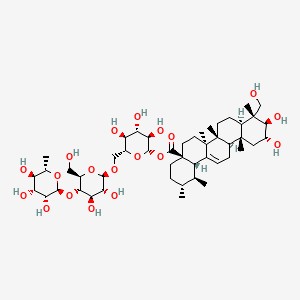
Identifiers
FormulaC48H78O19·CAS16830-15-2·EC240-851-7
Functions
CleansingSKIN Conditioning +3 more
How do consumers feel about products containing Centella asiatica extract?
Positive
Mixed
Negative
Consumers view Centella Asiatica Extract as a highly effective, soothing ingredient that calms irritation, repairs the skin barrier, and hydrates sensitive or acne-prone skin without causing dryness.
Which consumer needs, benefits, and objections are associated with centella asiatica extract?
Consumers overwhelmingly associate centella asiatica extract with soothing sensitive skin, reducing redness and inflammation, and supporting barrier repair and healing, particularly for acne-prone or irritated skin. The sentiment is overwhelmingly positive, with no negative or mixed feedback captured. Benefits are framed around calming irritation, healing popped pimples, and providing deep hydration without clogging pores. No explicit consumer objections were identified in the evidence, which is a notable gap. The business implication is that the ingredient's core value proposition is firmly established as a gentle, reparative active, making it a safe foundation for sensitive-skin product claims.
What do consumers discuss about Centella asiatica extract?
Soothing and Calming Irritation
Centella Asiatica Extract is consistently praised for its ability to calm redness, soothe sunburns, and reduce inflammation from acne or environmental stressors.
instagram
facebook
tiktok
youtube
pinterest
Barrier Repair and Hydration
Users highlight the ingredient's role in restoring the skin lipid barrier, replenishing hydration levels, and preventing moisture loss, often in combination with ceramides or hyaluronic acid.
instagram
facebook
tiktok
pinterest
Acne Treatment and Spot Care
Centella is frequently cited as a key ingredient in products designed to treat active breakouts, reduce the size of cystic pimples, and fade post-acne marks without drying the skin.
instagram
facebook
tiktok
Suitability for Sensitive Skin
The ingredient is widely recommended for sensitive skin types due to its gentle nature, low irritation potential, and ability to counteract sensitivity caused by other active ingredients like acids or retinols.
instagram
facebook
tiktok
pinterest
Brightening and Pigmentation Correction
Some users note that Centella extracts, particularly when combined with ingredients like Madecassoside or Niacinamide, help improve discoloration, fade dark spots, and brighten the overall complexion.
instagram
How are current products and patent claims responding to consumer concerns about centella asiatica extract?
Current products and patent claims are directly responding to consumer needs for soothing, barrier repair, and anti-inflammatory benefits. Commercial products span face creams, sunscreens, toners, and serums, often combining centella with panthenol, hyaluronic acid, or madecassoside. Patent claims focus on enhancing these effects through specialized extraction methods, such as eutectic solvents for soothing, high-mineral extraction for regeneration, and synergistic blends with other botanicals. This indicates a market response that is both broad in product application and deep in technical innovation, though patent claims represent proposed approaches, not necessarily adopted products.
Where is the gap between consumer expectations and the current centella asiatica extract offering?
The primary gap lies between consumer expectations for immediate, visible results and the current offering, which is largely positioned around long-term barrier health and soothing. While consumers praise centella for calming and healing, there is no evidence of products addressing more immediate cosmetic concerns like redness neutralization in a color-correcting format, which is a known application. Furthermore, the evidence shows a shift toward oral and systemic applications in patents, such as for allergies and obesity, which is not yet reflected in consumer-facing topical products. This suggests an opportunity to bridge the gap by translating advanced delivery or combination strategies into products that deliver faster, more perceptible benefits.
Which formulation approaches are being used to address those concerns around centella asiatica extract?
Formulation approaches are moving beyond simple extracts to address stability, delivery, and efficacy. Patent claims describe using liposomal encapsulation for enhanced penetration and reduced irritation, creating nanocrystals for better absorption, and developing high-purity isolates (>99%) for targeted barrier repair. Other approaches include combining centella with panthenol, ceramides, and beta-sitosterol for synergistic barrier strengthening, and using novel extraction methods like eutectic solvents or ultrasonic processing to increase active content. These strategies aim to deliver on consumer expectations for visible soothing and repair while managing formulation challenges like ingredient stability and skin penetration.
What consumer-led opportunity or risk should researchers consider for centella asiatica extract?
A significant consumer-led opportunity exists in expanding centella asiatica beyond facial skincare into adjacent categories like sun care, hair care, and baby care, where its soothing and barrier-supporting properties are already being leveraged in some products. The evidence shows consumer acceptance in sunscreens and a patent for a baby cream, indicating a trusted, gentle profile. However, a risk is the potential for overextension into unrelated claims, such as the patent for anti-obesity, which could dilute the ingredient's core skincare identity and confuse consumers. Researchers should focus on validated, skin-related benefits to maintain credibility.