Products & Brands Using Centella Asiatica Extract
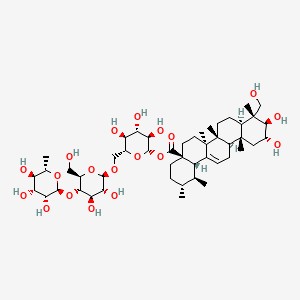
Identifiers
Functions
How broadly is Centella asiatica extract used across tracked brands and products?
Brands
69
Across 32 product types
Products
399
Includes function: Antioxidant
Product Types
32
Distinct formulation categories
Functions
4
Known functional-use labels
What does product breadth indicate about the commercial maturity of centella asiatica extract?
The product landscape indicates a mature market: 399 products from 69 brands, spanning 2001–2019, with a peak of 86 products in 2013. The ingredient is established across diverse categories and price tiers, from drugstore to luxury. Patent activity (162 patents) shows continued innovation in extraction, delivery systems, and new applications like dermatoporosis and ophthalmic use. This maturity suggests a saturated core market in facial skincare, but ongoing differentiation through technology and niche claims. New entrants should expect competition in standard formats but may find opportunities in specialized delivery or under-explored categories.
How is centella asiatica extract positioned across the market?
Centella asiatica extract is positioned primarily as a soothing, repairing, and anti-inflammatory active, often marketed for sensitive or compromised skin. Product names like 'Cica' lines and 'Centella ATO' creams explicitly link it to barrier repair and redness reduction. It appears in both mass-market brands (Maybelline, Jergens) and prestige/professional lines (By Terry, Erno Laszlo), indicating broad accessibility. Patent filings further support this positioning, with claims for soothing, anti-inflammatory, and skin-regeneration effects. The ingredient is also being extended into anti-aging and whitening applications, suggesting a shift from a niche soothing ingredient to a multi-functional skincare staple.
Top companies using Centella asiatica extract in their products
Ranked by number of tracked products that list centella asiatica extract, out of 399 total.
Which product categories, formats, and functions use centella asiatica extract?
Centella asiatica extract is used across a wide range of personal care categories, with the strongest presence in face creams/moisturizers (94 products), followed by lip balms (44), hand/body lotions (42), and foundations/concealers (33). It also appears in face masks, eye creams, toners, shampoos, and makeup products like primers and mascaras. Functionally, it is listed as an antioxidant, cleaning agent, humectant, and softener/conditioner. This breadth indicates the extract is a versatile ingredient, but its concentration in skincare and color cosmetics suggests a primary role in leave-on facial and body care rather than rinse-off or specialty applications.
Which product categories contain Centella asiatica extract?
Tracked product categories ranked by distinct products containing this ingredient.
Which formulation and co-ingredient patterns recur around centella asiatica extract?
Recurring co-ingredients include humectants and skin-repair actives: glycerol (262 products), 1,3-butanediol (170), panthenol (130), sodium hyaluronate (116), and allantoin (85). Botanical extracts like Scutellaria baicalensis and Camellia oleifera also co-occur frequently. Patent evidence reinforces this pattern, pairing Centella with beta-sitosterol, ceramides, panthenol, and asiaticoside for barrier repair and soothing. Formulation strategies often involve encapsulation—liposomes, Bacillus vesicles, or nanocrystals—to improve delivery and stability. This suggests a standard approach of combining Centella with moisturizing and anti-irritant ingredients, while advanced delivery systems are a growing area of innovation.
Which product spaces around centella asiatica extract appear crowded or differentiated?
Crowded spaces include face creams/moisturizers, lip balms, and hand/body lotions, where Centella is a common addition. Differentiation opportunities exist in advanced delivery systems (liposomes, Bacillus vesicles, nanocrystals) and specialized formats like hydrogel mask fibers, sunscreen sprays, and color cosmetics with skin benefits. Patent evidence highlights emerging niches: infant care, companion animal wound care, fermented beverages, and ophthalmic formulations. These areas are less saturated and offer potential for unique product claims. However, the core skincare market is well-developed, so innovation is more likely to succeed through technology or novel application rather than basic formulation.