Centella Asiatica Extract Suppliers & Manufacturers
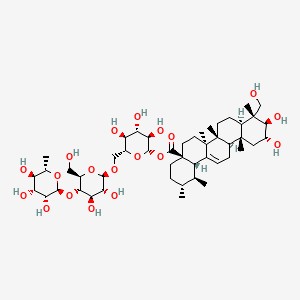
Identifiers
Functions
What does available trade activity indicate for Centella asiatica extract?
Centella asiatica extract is classified under HS Code 1302.19. This falls under Chapter 13: Lac; gums, resins and other vegetable saps and extracts, specifically Heading 1302 (Vegetable saps and extracts; pectic substances, pectinates and pectates; agar-agar and other mucilages and thickeners, whether or not modified, derived from vegetable products), under subheading: Vegetable saps and extracts; n.e.c. in item no. 1302.1.
* The data below is specific to the HS code, not the ingredient.
Suppliers
1,393
Across 76 countries
Shipments
10,957
from 2015 to 2026
Total weight
165.3M kg
15,939 TEU · standard 20-foot container units
Last shipment
8 months ago
Last updated at Feb 25, 2026
Growth
↑ 45%
Trade under 1302.19 has increased by 45% over the past 6 months
What does trade activity suggest about the centella asiatica extract supply chain?
Trade activity under HS 1302.19 shows a large, active supply chain with 1,393 suppliers, 10,957 shipments, and 165 million kg moved between January 2015 and February 2026. The growth score of 49.6 indicates moderate recent momentum. This suggests a mature, high-volume botanical extract market with ongoing demand. For formulation planning, this implies reliable access to extract materials, though the broad classification means volumes include many botanicals beyond centella. The presence of major players like Omniactive, Symrise, and Naturex signals established commercial infrastructure for botanical sourcing, which can support consistent supply for product development.
What does the HS or HTS classification include, and where are its limits for centella asiatica extract?
HS code 1302.19 covers 'vegetable saps and extracts, not elsewhere classified,' under Chapter 13 which includes lac, gums, resins, and other vegetable saps and extracts. This is a broad residual category capturing diverse botanical extracts, including but not limited to centella asiatica. The classification includes materials used across pharmaceutical, food, flavor, and fragrance applications. Its limits are significant: activity under this code cannot be attributed specifically to centella asiatica extract. Suppliers listed may ship ginseng, onion, citrus, or other botanicals. For regulatory or sourcing decisions, this classification provides directional supply-chain context but requires product-level verification to confirm centella-specific trade.
Which suppliers are associated with Centella asiatica extract trade?
| Supplier | Shipments | Top customer | Growth | Last shipment | |
|---|---|---|---|---|---|
No suppliers found. | |||||
How concentrated or diversified does the supplier landscape appear for centella asiatica extract?
The supplier landscape appears highly diversified with 1,393 suppliers across 76 countries, yet shows concentration among a few large players. Top suppliers include Omniactive Health Technologies (India, 195 shipments), Chile Botanics (Chile, 179), Symrise (Germany, 157), and Schwabe Extracta (Germany, 89). Indian suppliers are particularly numerous, with many mid-sized players like Sami Sabinsa, K Patel Phyto, and Vidya Herbs showing active recent shipments. This structure suggests a competitive market with multiple viable sourcing options, reducing dependency risk. However, the presence of large multinationals indicates that scale advantages exist for major buyers seeking consistent quality and volume.
Which supply risks or dependencies around centella asiatica extract require further diligence?
Key supply risks requiring further diligence include ingredient specificity, supplier capability verification, and trade continuity. Since HS 1302.19 covers all vegetable extracts, confirming that shortlisted suppliers actually produce centella asiatica extract is critical. Several listed entities appear to be end-users or logistics providers rather than extract manufacturers, so supplier qualification must verify manufacturing capability. Some suppliers show zero recent growth or old shipment dates, indicating potential inactivity. Additionally, the presence of flavor and fragrance houses as top customers for some suppliers suggests their shipments may serve non-centella applications. For risk management, buyers should request certificates of analysis, production records, and botanical origin documentation before committing to any supplier.
Which sourcing geographies and trade lanes appear most relevant to centella asiatica extract?
China (229 suppliers, 1,699 shipments) and India (186 suppliers, 1,576 shipments) dominate supplier counts and shipment volumes, representing the most active sourcing geographies. Mexico (105 suppliers, 880 shipments) and Brazil (69 suppliers, 560 shipments) show substantial weight volumes, suggesting large-scale extract processing. European countries—France, Germany, Spain—contribute significant supplier presence, with Korea also notable (121 suppliers). This geographic spread indicates a diversified global supply base with Asia as the primary origin for botanical extracts. For procurement strategy, this suggests multiple regional options, though centella-specific sourcing likely concentrates in Asia given the plant's native distribution.
Which countries drive Centella asiatica extract trade activity?
By shipment count
China
1,699 shipments
229 suppliers
14.2M kg total weight
India
1,576 shipments
186 suppliers
14.7M kg total weight
Mexico
880 shipments
105 suppliers
17.3M kg total weight
France
816 shipments
87 suppliers
3.7M kg total weight
Germany
701 shipments
70 suppliers
14.8M kg total weight
South Korea
612 shipments
121 suppliers
3.1M kg total weight
Brazil
560 shipments
69 suppliers
31.4M kg total weight
Spain
409 shipments
60 suppliers
2.4M kg total weight
Chile
404 shipments
21 suppliers
3.3M kg total weight
Thailand
397 shipments
2 suppliers
6M kg total weight