Centella Asiatica Extract Patent Landscape
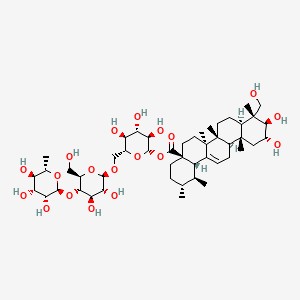
Identifiers
Functions
Which organizations and claims shape current development around centella asiatica extract?
A diverse range of organizations is driving current development, including cosmetic companies (e.g., Procter & Gamble, Cosmax), biotech firms (e.g., Shanghai Huazhiwo Biomedical Technology), and academic-industry collaborations (e.g., Jeonju AgroBio-Materials Institute). Claims focus on synergistic anti-inflammatory effects (e.g., with Vincetoxicum officinale to inhibit PGE2), specific mechanisms like collagen synthesis and MMP-1 inhibition, and novel extraction methods (e.g., smart farm cultivation, roasted extraction, fermentation). These organizations are expanding applications into food, pharmaceuticals, and veterinary care, indicating a broad research interest.
How is Centella asiatica extract innovation changing in Cosmetics?
Monthly patent filings by domain
Which technical problems do recent patents address with centella asiatica extract?
Recent patents primarily address stability, bioavailability, and targeted delivery of centella asiatica extract. For example, one patent encapsulates the extract within jojoba oil's wax ester structure to create a stabilized oil gel for oral anti-inflammatory use, while another uses Bacillus vesicle encapsulation to incorporate centella glycosides into a phospholipid bilayer for whitening and anti-aging. Other patents focus on improving extraction efficiency and purity, such as using eutectic solvents or enzyme-assisted methods to obtain high-purity extracts (>99%) for skin barrier repair. These approaches aim to overcome solubility and stability challenges, enhancing the extract's efficacy in various applications.
How do recent patents change the role or application of centella asiatica extract?
The role of centella asiatica extract is expanding from a general soothing agent to a targeted active for specific mechanisms and clinical applications. Patents now claim its use in treating dermatoporosis (via liposomal encapsulation with AHA), improving muscle function, enhancing immunity through intestinal Peyer's patch activation, and preventing obesity. In cosmetics, it is positioned for barrier repair by increasing filaggrin/involucrin expression and promoting type 1 collagen synthesis, often synergized with actives like beta-sitosterol or echinacea. This shift indicates a move from passive ingredient to a multifunctional active with mechanism-based claims.
How is Centella asiatica extract used in Cosmetics patents?
Which Cosmetics product categories feature Centella asiatica extract in recent patents?
Which product categories and formulation strategies emerge in recent work on centella asiatica extract?
Emerging formulation strategies include advanced delivery systems such as liposomes, Bacillus vesicles, nanostructured lipid carriers, and microneedles to enhance stability and targeted release. Product categories are diversifying beyond traditional skincare to include oral compositions (for inflammation, allergy, obesity), functional foods/beverages, scalp care, hair loss treatments, baby care, sunscreen, color cosmetics, and even companion animal wound care. Synergistic blends with other plant extracts (e.g., echinacea, purslane, hemp seed oil) are common, often with specific weight ratios to achieve combined anti-inflammatory, anti-aging, or barrier-repair effects.
Where is the evidence-backed white space for further development of centella asiatica extract?
Evidence-backed white space exists in oral and systemic applications, such as muscle function improvement, immunity enhancement, and obesity management, where patents are recent but less crowded. Additionally, specialized delivery systems like microneedles and Bacillus vesicles for centella glycosides are emerging, suggesting room for innovation in targeted transdermal or intracellular delivery. The use of upcycled or smart-farm-cultivated raw materials for sustainability claims is also a nascent area. However, these are based on patent filings, and commercial adoption remains unproven.