Collagen Peptides
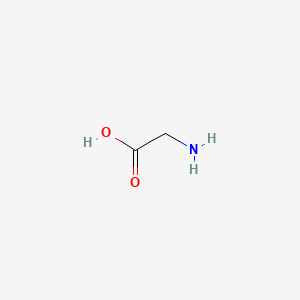
Identifiers
Functions
Where is Collagen peptides used, and what role does it play in each application?
Collagen peptides, listed as hydrolyzed collagen, function in cosmetics as an antistatic agent, skin conditioner, emollient, film former, hair conditioner, and humectant. This means it can be used across skin and hair care products to reduce static, soften and smooth skin, form a film on the surface, and retain moisture. Its multifunctional profile makes it a versatile ingredient for formulators seeking to address multiple sensory and conditioning benefits in a single component.
Which product or formulation problem does Collagen peptides address?
Collagen peptides address formulation challenges related to skin and hair conditioning, moisture retention, and product aesthetics. As a humectant, it helps maintain hydration; as an emollient, it softens skin; and as a film former, it can create a barrier that may improve the feel or durability of a product. Its antistatic property is particularly useful in hair care to reduce flyaway and improve manageability. These combined functions help formulators achieve a smoother, more conditioned end-product.
What supports the main commercial or clinical uses of Collagen peptides?
The main commercial uses of collagen peptides in cosmetics are supported by its official listing as an active ingredient with defined functions: antistatic, skin conditioning, emollient, film forming, hair conditioning, and humectant. This regulatory recognition indicates that the ingredient is accepted for use in cosmetic products with these intended roles. However, there is no evidence from clinical studies or product data to substantiate specific efficacy claims beyond these functional categories.
How is Collagen peptides used clinically?
Supplemental glycine may have antispastic activity. Very early findings suggest it may also have antipsychotic activity as well as antioxidant and anti-inflammatory activities
Which formulation trade-offs should researchers consider for Collagen peptides?
Formulators should consider that collagen peptides are multifunctional, which can simplify formulations by replacing multiple single-function ingredients, but may also require careful balancing to avoid over-conditioning or altering product texture. Its film-forming property could impact the sensory feel or occlusivity, while its humectant nature may affect water activity and preservation needs. No restrictions or maximum concentration limits were identified, but formulators should still verify compatibility with other ingredients and stability under their specific conditions.
What are the physicochemical properties of Collagen peptides?
| Property | Value | Category |
|---|---|---|
| Physical Description | Glycine appears as white crystals, Dry Powder; CBI; Large Crystals; Liquid; Other Solid; Liquid, White solid; White crystals; [Sigma-Aldrich MSDS], Solid, White crystalline powder; odourless | Appearance |
| Color/Form | White crystals, MONOCLINIC OR TRIGONAL PRISMS FROM DILUTE ALCOHOL, Monoclinic prisms from alc | Appearance |
| Odor | Odorless | Appearance |
| Taste | Sweet | Appearance |
| Solubility | greater than or equal to 100 mg/mL at 64 °F, 249000 mg/L (at 25 °C), Insoluble in ethanol, ethyl ether, slightly soluble in acetone; very soluble in water, Solubility in 100 ml water @ 25 °C: 25.0 g; @ 50 °C: 39.1 g; @ 75 °C: 54.4 g; @ 100 °C: 67.2 g, 100 g of abs alc dissolve about 0.06 g. Sol in 164 parts pyridine. Almost insol in ether, water solubility = 2.49X10+5 mg/l @ 25 °C, 249.0 mg/mL, Soluble in water; Slightly soluble in ether, Slightly soluble (in ethanol) | Formulation Relevant Properties |
| LogP | -3.21, log Kow = -3.21 | Formulation Relevant Properties |
| pH | 0.2 molar soln in water: 4.0, 2.7 | Formulation Relevant Properties |
| Basic pKa | 9.8 | Formulation Relevant Properties |
| pKa | 2.37 (at 20 °C) | Formulation Relevant Properties |
| Dissociation Constants | pKa = 2.37 @ 20 °C, pK1': 2.34; pK2': 9.60 | Formulation Relevant Properties |
Which formulation benchmark best contextualizes Collagen peptides, and what differs?
A relevant formulation benchmark for collagen peptides is a multifunctional conditioning ingredient that combines humectant, emollient, and film-forming properties. Unlike single-function ingredients, collagen peptides offer a broader profile, potentially reducing the need for multiple additives. However, its antistatic and hair conditioning functions make it particularly suited for hair care, whereas a typical skin care benchmark might focus more on moisturization and barrier support. This distinction is important for formulators targeting specific product categories.