Collagen Peptides Toxicity
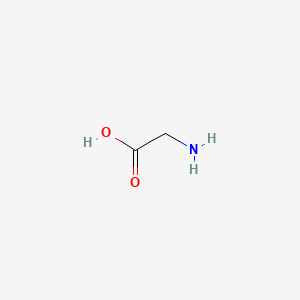
Identifiers
Functions
What are the material safety considerations for Collagen peptides?
Collagen peptides present a low acute toxicity profile, with a rat toxicity summary indicating safety at current use levels and concentrations. No GHS hazard classifications, exposure limits, or handling warnings are available in the reviewed evidence, suggesting no immediate acute hazards are documented. The material is also listed as hydrolyzed collagen in cosmetic ingredient registries without restrictions or maximum concentration limits, supporting its routine use. This implies low inherent toxicity for formulation purposes, but the absence of chronic or repeated-dose data means the safety conclusion rests primarily on acute and use-practice evidence.
How should hazard classifications and toxicology findings for Collagen peptides be interpreted together?
The available evidence should be interpreted as indicating that collagen peptides are safe under current use conditions, based on a rat toxicity summary and the absence of GHS hazard classifications. The cosmetic regulatory listing without restrictions or concentration caps reinforces this, but it does not constitute a formal safety assessment. The lack of hazard classifications does not prove zero risk; it reflects missing standardized data. Therefore, formulators should treat the ingredient as low-risk for acute exposure but should not extrapolate to chronic or high-dose scenarios without additional toxicological evidence.
Which exposure routes, dose contexts, or effects are material for Collagen peptides?
The material exposure profile is defined by dermal and hair contact in cosmetic applications, given its functions as a skin conditioning, hair conditioning, film-forming, and humectant agent. The rat toxicity summary indicates safety at current use concentrations, but no specific dose-response data, exposure limits, or route-specific effects are available. This means the primary exposure concern is topical, with no evidence of systemic toxicity at typical use levels. However, the absence of inhalation or oral data limits the ability to assess non-cosmetic exposure scenarios, so the conclusion applies only to intended topical use.
Which handling and risk-management measures are relevant for Collagen peptides?
Given the low acute toxicity and lack of GHS hazard classifications, standard good manufacturing practices for cosmetic ingredients are sufficient, such as avoiding inhalation of dust and ensuring eye/skin contact is managed with routine hygiene. No specific handling warnings, exposure limits, or procedural controls are provided in the evidence, so no specialized containment or personal protective equipment is indicated. The absence of restrictions in the cosmetic registry further supports routine handling. However, since no handling data exist, formulators should rely on general powder-handling protocols until more specific guidance is available.
Which safety evidence gaps should be resolved before making decisions about Collagen peptides?
Before finalizing safety decisions, the key evidence gap is the lack of GHS hazard classifications, exposure limits, and handling data. The available rat toxicity summary is a single acute reference and does not cover chronic toxicity, reproductive effects, or sensitization potential. Additionally, no specific concentration limits or restrictions are documented, so the safe use conclusion is based on current practices rather than quantitative thresholds. Resolving these gaps would require obtaining standardized hazard classifications and repeated-dose toxicology studies to confirm safety across all exposure routes and durations.