“Ingredients|Dicaprylyl Ether,Dicaprylyl Carbonate,Coconut Alkanes...”
Dicaprylyl Ether Consumer Sentiment
CtrlK
Identifiers
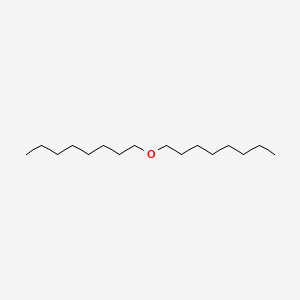
FormulaC16H34O·CAS629-82-3·EC211-112-6
Functions
SKIN Conditioning - EmollientSKIN Conditioning +1 more
How do consumers feel about products containing Dicaprylyl ether?
Positive
Mixed
Negative
Consumers and formulators view Dicaprylyl Ether as a functional, lightweight emollient that provides a non-greasy feel in skincare products.
Which consumer needs, benefits, and objections are associated with DICAPRYLYL ETHER?
Direct consumer needs, benefits, and objections for Dicaprylyl Ether cannot be established from available evidence, as it appears only as a label ingredient without direct consumer discussion. The ingredient is functionally positioned as a softener, conditioner, solvent, and solids-separation agent across 420 products, primarily in hand/body lotions, face creams, shampoos, and conditioners. Its presence in baby lotions and sensitive-skin products suggests a consumer need for gentle, non-irritating emollients, but no explicit benefits or objections are documented. The absence of direct consumer sentiment represents a significant evidence gap for claims development.
What do consumers discuss about Dicaprylyl ether?
Lightweight Texture
Users identify Dicaprylyl Ether as an ingredient that contributes to a light, non-greasy texture in body oils and face gels.
tiktok
pinterest
How are current products and patent claims responding to consumer concerns about DICAPRYLYL ETHER?
Current products and patent claims respond to functional formulation needs rather than articulated consumer concerns. Patent EP4770606A1 claims Dicaprylyl Ether as an emollient in a combination to replace silicone in hair care, addressing potential consumer preference for silicone-free products. Patent NL4000501A claims it in a water-in-oil emulsion with dicaprylyl carbonate and surface-treated titanium oxide for sunscreen-type products. Patent JP7717895B2 claims it in anhydrous makeup removers with plant oils. These patents represent claimed approaches, not product adoption, and no commercial product explicitly markets Dicaprylyl Ether benefits to consumers.
Where is the gap between consumer expectations and the current DICAPRYLYL ETHER offering?
The gap lies between the ingredient's functional versatility and the absence of consumer-facing communication about its benefits. While 420 products use Dicaprylyl Ether across categories from baby lotion to makeup remover, no product metadata or claims mention it, and no consumer discussion articulates expectations for it. This suggests the ingredient operates as a silent functional component rather than a marketed feature. The patent landscape indicates formulators value its silicone-replacement and emulsion-structuring properties, but consumers have no basis to request or evaluate it. This disconnect limits potential differentiation based on the ingredient's sensory or performance benefits.
Which formulation approaches are being used to address those concerns around DICAPRYLYL ETHER?
Formulation approaches center on leveraging Dicaprylyl Ether's emollient and solvent functions across diverse product formats. Patent FR3157131A1 claims its use as a volatile or non-volatile ether oil in oil-in-water emulsions with saturated fatty alcohols and anionic surfactants to establish lamellar phase structures for moisturizers. Patent EP4770606A1 claims it as part of a silicone-replacement combination with conditioning agents and vegetable oils for hair treatments. Patent JP7717895B2 claims it in anhydrous makeup removers with dialkyl carbonates and plant oils. These approaches target texture, barrier support, and cleansing without relying on water-based surfactant systems.
What consumer-led opportunity or risk should researchers consider for DICAPRYLYL ETHER?
The primary consumer-led opportunity is positioning Dicaprylyl Ether as a silicone alternative in hair care, supported by patent EP4770606A1's claimed combination with vegetable oils and conditioning agents. This aligns with potential consumer preference for silicone-free formulations, though no direct consumer sentiment confirms this demand. The risk is that the ingredient's low consumer profile and lack of documented benefits make it difficult to market as a hero ingredient. Researchers should consider whether the silicone-replacement angle offers sufficient differentiation or whether the ingredient is better positioned as a supporting emollient in sensitive-skin and baby products where its gentle profile may resonate.