Dicaprylyl Ether Toxicity
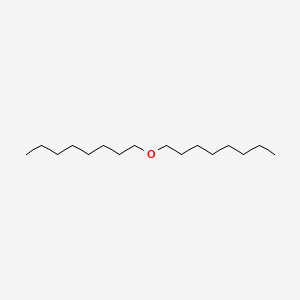
Identifiers
Functions
What are the material safety considerations for DICAPRYLYL ETHER?
The primary safety consideration is that dicaprylyl ether is rated safe in current cosmetic practices of use and concentration, based on a Cosmetic Ingredient Review finding in rats. No GHS hazard classifications or exposure limits are available in the supplied evidence, so no acute toxicity, irritation, or sensitization endpoints are formally established. This supports its use as an emollient and solvent in formulations, but formulators should rely on the CIR safety conclusion while recognizing that specific hazard statements are absent. The absence of GHS data does not imply zero risk; it indicates a lack of standardized classification evidence.
How should hazard classifications and toxicology findings for DICAPRYLYL ETHER be interpreted together?
The CIR finding of safety in present practices should be interpreted as the primary toxicology conclusion, while the absence of GHS classifications means no standardized hazard statements exist to corroborate or refine that conclusion. Together, these indicate a favorable safety profile for cosmetic use, but the lack of GHS data limits the ability to compare this ingredient against others on a hazard-communication basis. For regulatory submissions, the CIR finding is decision-relevant, yet the missing GHS classifications create a gap in formal risk communication. Formulators should treat the ingredient as safe per CIR but cannot rely on GHS labeling for downstream hazard disclosure.
Which exposure routes, dose contexts, or effects are material for DICAPRYLYL ETHER?
Material exposure routes include eye, skin, inhalation, and ingestion, based on first-aid guidance that addresses all four pathways. The CIR finding in rats provides a systemic safety context but does not specify a dose or route, so no quantitative exposure threshold is established. The first-aid measures imply potential irritation or adverse effects upon acute exposure, though no specific effect levels are given. For cosmetic use, dermal exposure is the primary route, and the CIR safety conclusion supports this use. However, the absence of exposure limits means occupational or high-exposure scenarios lack defined safe levels.
Which handling and risk-management measures are relevant for DICAPRYLYL ETHER?
Relevant handling measures are first-aid responses for eye, skin, inhalation, and ingestion exposure, including flushing eyes with water for 20-30 minutes, washing skin with soap and water, moving to fresh air after inhalation, and not inducing vomiting after ingestion. These measures are reactive rather than preventive, indicating that no specific engineering controls or personal protective equipment are documented. For formulation and manufacturing, standard hygiene practices and spill containment are implied but not specified. The absence of exposure limits means no occupational exposure control band is defined, so risk management should rely on general chemical handling protocols and the CIR safety conclusion.
Which safety evidence gaps should be resolved before making decisions about DICAPRYLYL ETHER?
The key evidence gaps are the absence of GHS hazard classifications, exposure limits, and any quantitative toxicology data such as LD50, NOAEL, or irritation scores. Without these, the safety profile rests solely on the CIR finding, which is qualitative and route-unspecified. Before making regulatory or high-exposure decisions, obtain GHS classifications, dermal and ocular irritation data, and a repeated-dose toxicity study. Also, clarify the CIR concentration range and use conditions to confirm the safety conclusion applies to the intended formulation. These gaps materially affect the ability to conduct a full risk assessment beyond cosmetic use.