Products & Brands Using Dicaprylyl Ether
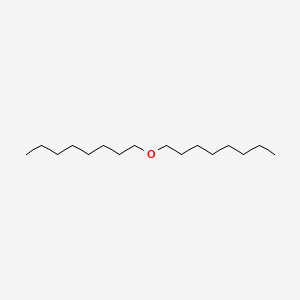
Identifiers
Functions
How broadly is Dicaprylyl ether used across tracked brands and products?
Brands
67
Across 28 product types
Products
420
Includes function: Softener and conditioner
Product Types
28
Distinct formulation categories
Functions
3
Known functional-use labels
What does product breadth indicate about the commercial maturity of DICAPRYLYL ETHER?
The ingredient shows mature commercial adoption with 420 products from 67 brands, spanning 2012–2019. Product counts peaked in 2016 (113) and remained steady through 2019, indicating sustained use rather than a short-lived trend. The diversity of categories—from baby care to color cosmetics—and presence of both mass and prestige brands confirm it is a well-established emollient. Patent activity from major players (L'Oreal, Coty) further signals ongoing formulation interest. This maturity suggests limited white space for basic emollient claims, but opportunities in specialized systems.
How is DICAPRYLYL ETHER positioned across the market?
Dicaprylyl ether is positioned as a versatile emollient across mass-market and prestige segments, from drugstore brands like CVS and Nivea to clinical and luxury lines like Dermalogica and Dr. Barbara Sturm. It appears in natural/sensitive skin lines (Attitude, Cetaphil) and in functional formats like SPF lotions, firming lotions, and makeup removers. Patent filings by L'Oreal and Coty position it as a silicone alternative and interface stabilizer. This broad positioning indicates it is not tied to a single claim but supports diverse product benefits.
Top companies using Dicaprylyl ether in their products
Ranked by number of tracked products that list dicaprylyl ether, out of 420 total.
Where is Dicaprylyl ether covered by tracked regulatory lists?
Jurisdictions
Markets where this ingredient appears on tracked ingredient regulation lists.
EU
44 tracked lists
Regulatory Bodies
Authorities cited most often across the tracked ingredient lists.
Danish Environmental Protection Agency
Which product categories, formats, and functions use DICAPRYLYL ETHER?
Dicaprylyl ether appears across 420 products spanning 28 product types, with hand/body lotion (91), face cream/moisturizer (36), shampoo (25), hair conditioner (21), and foundation/concealer (19) as the leading categories. It also appears in baby care (lotion, wash, shampoo, wipes), makeup (remover, primer, lip gloss, eye products), and hair styling. Its functions are softener/conditioner, solvent, and solids separation agent. This breadth indicates a versatile emollient used in both leave-on and rinse-off formats, from baby wipes to high-end facial oils.
Which product categories contain Dicaprylyl ether?
Tracked product categories ranked by distinct products containing this ingredient.
Which formulation and co-ingredient patterns recur around DICAPRYLYL ETHER?
Recurring co-ingredients include glycerol (256 products), phenoxyethanol (225), dimethicone (153), tocopherols (148), disodium EDTA (143), glyceryl stearate (142), and octanediol (136). It is often paired with dicaprylyl carbonate (92 products) and UV filters like octocrylene and avobenzone. Patent evidence shows combinations with squalane and alkanes in biphasic systems, and with plant oils and cationic polymers in silicone-replacement hair care. These patterns suggest use as a lightweight emollient in emulsion systems, often alongside film-formers and preservatives.
Which product spaces around DICAPRYLYL ETHER appear crowded or differentiated?
Crowded spaces include hand/body lotions and face moisturizers, where the ingredient is ubiquitous. Differentiated opportunities appear in biphasic, surfactant-free compositions (patented by L'Oreal) and silicone-replacement hair care (L'Occitane patent). Anhydrous makeup removers with dicaprylyl ether and carbonate also show a distinct niche. These patent-backed approaches suggest that formulation innovation—not new product categories—offers the clearest differentiation path, particularly in systems that require stable interfaces or silicone-free textures.