Dicaprylyl Ether Patent Landscape
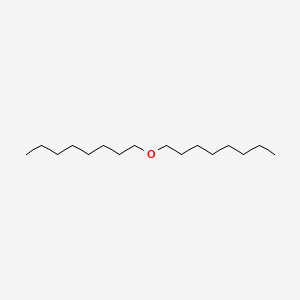
Identifiers
Functions
Which organizations and claims shape current development around DICAPRYLYL ETHER?
L'Oreal leads with five patents covering biphasic compositions, lamellar oil-in-water emulsions, and anhydrous makeup removers, claiming stable interfaces and specific oil-phase ratios. L'Occitane do Brasil claims a silicone-replacement combination for hair care. Coty claims a water-in-oil emulsion with defined oleochemical and surface-treated components. These organizations focus on stability, silicone-free alternatives, and multifunctional emollient systems. The claims emphasize dicaprylyl ether's role in achieving these properties, often paired with dicaprylyl carbonate or squalane.
How is Dicaprylyl ether innovation changing?
Monthly patent filings
Which technical problems do recent patents address with DICAPRYLYL ETHER?
Recent patents use dicaprylyl ether to solve formulation stability and sensory problems. L'Oreal's biphasic compositions address interface stability without surfactants or silicones, using dicaprylyl ether in the oil phase to maintain a stable boundary with the aqueous phase. L'Occitane targets silicone replacement in hair care, combining dicaprylyl ether with conditioning agents and vegetable oils to mimic silicone's emollient feel. Coty's water-in-oil emulsion uses it to help stabilize a continuous oil phase with high water content. These patents focus on achieving stable, silicone-free, or low-surfactant systems.
How do recent patents change the role or application of DICAPRYLYL ETHER?
Dicaprylyl ether's role shifts from a simple emollient to a structural enabler in complex formulations. In L'Oreal's biphasic systems, it is a critical oil-phase component for interface stability, not just a skin-feel additive. In L'Occitane's hair care, it functions as a silicone substitute, contributing to conditioning performance. Coty's patent positions it within a defined oleochemical mixture for water-in-oil emulsions. These patents expand its application beyond basic moisturizing to include makeup removal, hair treatment, and stable emulsion architecture.
Which product categories and formulation strategies emerge in recent work on DICAPRYLYL ETHER?
Emerging product categories include hair treatments, biphasic cosmetics, water-in-oil emulsions, makeup removers, and moisturizers. Formulation strategies emphasize surfactant-free and silicone-free systems, with dicaprylyl ether used to stabilize interfaces or replace silicones. L'Oreal's biphasic compositions use it with squalane and alkanes at 13-17% of the oil phase. Coty's water-in-oil emulsion specifies 5-20% oleochemical component. L'Occitane combines it with vegetable oils and conditioning agents for hair care. These strategies target clean-label and stable formulations.
Where is the evidence-backed white space for further development of DICAPRYLYL ETHER?
Evidence-backed white space exists in combining dicaprylyl ether with dicaprylyl carbonate, as seen in Coty and L'Oreal makeup remover patents, suggesting potential for synergistic emollient blends. L'Oreal's lamellar emulsion patent opens opportunities for ether oils in structured oil-in-water systems beyond biphasic formats. The absence of patents on skin care serums or sunscreens with dicaprylyl ether indicates unexplored territory, despite its use in water-in-oil emulsions with UV filters. Further development could target silicone-free hair styling or color cosmetics, where current patents focus on treatment and makeup removal.