“What is ectoin? And why is everyone talking about it? known as the “skin’s bodyguard”, this naturally occurring compound is derived from...”
Ectoin Consumer Sentiment
CtrlK
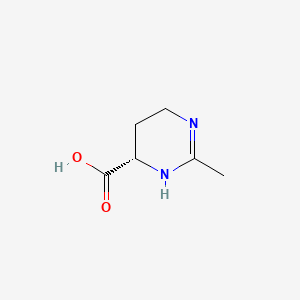
Identifiers
FormulaC6H10N2O2·CAS96702-03-3·EC431-910-1
Functions
SKIN Conditioning
How do consumers feel about products containing Ectoin?
Positive
Mixed
Negative
Consumers and experts view Ectoin as a highly effective, gentle, and versatile ingredient for barrier repair, hydration, and soothing sensitive or irritated skin.
Which consumer needs, benefits, and objections are associated with ECTOIN?
Consumers primarily associate Ectoin with barrier repair, soothing irritation, and hydration. It is described as the "skin's bodyguard" and a "miracle ingredient" for tackling dryness, flakiness, dullness, redness, and slackness. The ingredient is valued for protecting cells from environmental stressors, making it ideal for sensitive and dry skin. No explicit consumer objections were found in the evidence, but the strong emphasis on its protective and reparative benefits suggests a core need for resilience against daily stressors and compromised skin barriers.
What do consumers discuss about Ectoin?
Barrier Repair and Protection
Ectoin is consistently described as a 'bodyguard' or shield that strengthens the skin barrier against environmental stressors like pollution, UV rays, and dryness.
instagram
facebook
lemon8-app
tiktok
Soothing Sensitive and Irritated Skin
Users report significant relief from redness, inflammation, and sensitivity, making Ectoin a go-to for conditions like rosacea, eczema-prone skin, and post-acne healing.
instagram
facebook
lemon8-app
tiktok
Hydration and Texture
Consumers appreciate Ectoin for providing deep hydration without a greasy feel, often noting its lightweight, fast-absorbing texture in serums and moisturizers.
instagram
facebook
lemon8-app
tiktok
Anti-Aging and Environmental Defense
Ectoin is recognized for protecting cells from oxidative stress and UV damage, contributing to long-term skin resilience and anti-aging benefits.
lemon8-app
tiktok
Affordability and Accessibility
Specific products featuring Ectoin are praised for being budget-friendly alternatives to more expensive clinical treatments or luxury brands.
lemon8-app
tiktok
How are current products and patent claims responding to consumer concerns about ECTOIN?
Commercial products are responding to the demand for barrier repair and soothing by launching dedicated Ectoin serums, creams, and mists, often pairing it with complementary actives like hyaluronic acid, ceramides, and panthenol. A recent patent claim positions Ectoin within a complex with exosomes and growth factors for skin barrier strengthening and regeneration, indicating a move toward more advanced, multi-functional repair formulations. This patent is evidence of a claimed approach, not product adoption, but it shows the direction of innovation toward addressing resilience and regeneration.
Where is the gap between consumer expectations and the current ECTOIN offering?
The primary gap is between the strong consumer enthusiasm for Ectoin as a versatile "miracle" ingredient and the limited evidence of its specific performance across different product formats. While consumers report positive experiences with serums, creams, and mists, there is no comparative data on efficacy or concentration levels. The patent landscape suggests a push toward complex, high-tech formulations, but consumer language remains focused on simple, tangible outcomes like "plump" skin and a "strong barrier," indicating a potential disconnect between advanced formulation claims and the straightforward benefits consumers seek.
Which formulation approaches are being used to address those concerns around ECTOIN?
Formulation approaches focus on combining Ectoin with other barrier-supporting and hydrating ingredients. Examples include serums with hyaluronic acid, creams with ceramides and panthenol, and gel-creams with squalane. A patent application describes a more complex approach where Ectoin is dissolved in purified water and sequentially mixed with exosomes and growth factors, along with AFA extract, cell-penetrating peptide, and hyaluronic acid, to form a complex for skin regeneration. This suggests a trend from simple moisturizing blends toward targeted, multi-component delivery systems.
What consumer-led opportunity or risk should researchers consider for ECTOIN?
A clear opportunity exists in positioning Ectoin as a solution for compromised skin barriers, given the strong consumer resonance with this benefit. The risk is overpromising on its "miracle" status without substantiating claims across diverse skin types and conditions. Researchers should focus on generating robust evidence for barrier repair and soothing, as these are the most widely discussed and valued benefits. The absence of any negative sentiment suggests a favorable market, but this also means that unmet needs or potential drawbacks are not yet visible in consumer discourse.