Ectoin Suppliers & Manufacturers
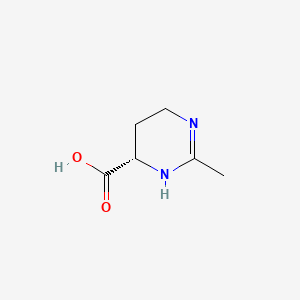
Identifiers
Functions
What does available trade activity indicate for Ectoin?
Ectoin is classified under HS Code 2933.59. This falls under Chapter 29: Organic chemicals, specifically Heading 2933 (Heterocyclic compounds with nitrogen hetero-atom(s) only), under subheading: Heterocyclic compounds; containing a pyrimidine ring (whether or not hydrogenated) or piperazine ring in the structure, (other than malonylurea and its derivatives, loprazolam, mecloqualone, methaqualone, zipeprol, and salts thereof) n.e.c. in 2933.5.
* The data below is specific to the HS code, not the ingredient.
Suppliers
995
Across 56 countries
Shipments
3,973
from 2015 to 2026
Total weight
53M kg
6,201 TEU · standard 20-foot container units
Last shipment
8 months ago
Last updated at Feb 25, 2026
Growth
↑ 40%
Trade under 2933.59 has increased by 40% over the past 6 months
What does trade activity suggest about the ECTOIN supply chain?
Trade activity under HS code 2933.59 shows a large, active supply chain with 995 suppliers, 3,973 shipments, and over 53 million kg moved since 2015. The recent growth score of 43.5 indicates moderate momentum. However, this classification covers many heterocyclic nitrogen compounds beyond ectoin, so the volume is not ingredient-specific. The presence of major chemical distributors and life-science suppliers suggests robust infrastructure for fine chemicals, but confirming ectoin-specific lanes requires product-level documentation. Business implication: the supply base is commercially viable, yet procurement decisions need verification of actual ectoin content in shipments.
What does the HS or HTS classification include, and where are its limits for ECTOIN?
HS code 2933.59 covers heterocyclic compounds with nitrogen hetero-atoms only, specifically those containing a pyrimidine or piperazine ring, excluding certain named substances. This is a broad category that includes agrochemicals, pharmaceuticals, and industrial chemicals. Ectoin falls within this scope, but so do many unrelated compounds. The classification cannot distinguish ectoin from other chemicals in the same subheading. For regulatory or customs purposes, this means the code alone does not confirm ectoin content. Formulators should request certificates of analysis and product-specific documentation to verify ingredient identity, as the HS code provides only a general chemical family match.
Which suppliers are associated with Ectoin trade?
| Supplier | Shipments | Top customer | Growth | Last shipment | |
|---|---|---|---|---|---|
No suppliers found. | |||||
How concentrated or diversified does the supplier landscape appear for ECTOIN?
The supplier landscape appears highly diversified, with 995 distinct suppliers across 56 countries. The top suppliers by shipment count include Taiwan Hopax Chemicals (133 shipments), Nouryon Functional Chemicals (122), and Bertschi Global (71), but these represent a small fraction of total activity. The presence of both large chemical manufacturers (Dow, Merck) and specialized fine-chemical suppliers (Suzhou Yacoo, Shouguang Fukang) indicates a fragmented market. This diversification reduces single-source dependency risk but complicates supplier qualification. For procurement, the breadth suggests competitive pricing options, yet the lack of ectoin-specific confirmation means each potential supplier requires individual verification of manufacturing capability and product purity.
Which supply risks or dependencies around ECTOIN require further diligence?
Key diligence risks include the inability to confirm ectoin-specific manufacturing from HS data, as many listed suppliers are broad chemical traders or distributors. The presence of pharmaceutical API manufacturers like Amneal and Ipca suggests potential quality systems, but their ectoin production is unverified. Supply continuity risk is moderate given the diversified base, yet concentration in China (470 suppliers) creates geopolitical and regulatory exposure. Additionally, some suppliers show declining activity (Frutarom, Crystal Chemicals with zero recent growth), indicating potential attrition. Further diligence should include direct supplier audits, product-specific certifications, and stability of supply agreements, particularly for cosmetic or pharmaceutical-grade ectoin where purity standards are critical.
Which sourcing geographies and trade lanes appear most relevant to ECTOIN?
China dominates supplier count with 470 suppliers and 1,123 shipments, followed by Taiwan (87 suppliers), India (77), and Germany (42). The Netherlands shows high shipment volume (770) despite fewer suppliers, suggesting a distribution hub. Sweden and Israel also show significant weight, indicating potential manufacturing or transshipment points. Key trade lanes appear to be Asia-to-Europe and Asia-to-North America, with customers like Life Technologies and Sigma Aldrich receiving shipments. For sourcing strategy, China and India offer supplier density, while Netherlands and Sweden may provide higher-value or specialized chemical logistics. However, these lanes reflect the broader HS category, not confirmed ectoin flows.
Which countries drive Ectoin trade activity?
By shipment count
China
1,123 shipments
470 suppliers
11.9M kg total weight
Netherlands
770 shipments
14 suppliers
14.5M kg total weight
Taiwan
373 shipments
87 suppliers
1.4M kg total weight
India
359 shipments
77 suppliers
4.7M kg total weight
Israel
186 shipments
10 suppliers
4.3M kg total weight
Germany
150 shipments
42 suppliers
866.9K kg total weight
Sweden
146 shipments
9 suppliers
4.6M kg total weight
South Korea
129 shipments
35 suppliers
776.2K kg total weight
Belgium
114 shipments
19 suppliers
2.4M kg total weight
Italy
78 shipments
27 suppliers
466.4K kg total weight