REACH Registered Substance
Status: Active Update: 19-08-2022 https://echa.europa.eu/registration-dossier/-/registered-dossier/33854
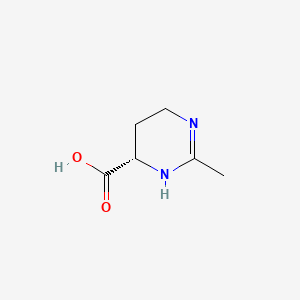
Identifiers
Functions
Regulatory treatment of ECTOIN differs by market: in the EU it is an active REACH-registered substance with an ECHA C&L notification, while in Australia it appears on the AICIS industrial chemicals inventory. In cosmetics, ECTOIN is listed as an active skin-conditioning ingredient with no annex restrictions, conditions, or maximum concentration limits. This means EU industrial chemical obligations and Australian inventory compliance apply, but cosmetic-specific restrictions are absent. The absence of restrictions in cosmetics does not eliminate general safety assessment duties under cosmetic regulations.
1 regulation
Status: Active Update: 19-08-2022 https://echa.europa.eu/registration-dossier/-/registered-dossier/33854
1 regulation
Regulatory records
| Entry | Regulation | Type | Status |
|---|---|---|---|
| 6443 | Inventory of Existing Cosmetic Ingredients in China (IECIC) I | List I | authorized |
Record details
1 regulation
Chemical: 4-Pyrimidinecarboxylic acid, 3,4,5,6-tetrahydro-2-methyl-, (4S)-
No specific conditions, concentration limits, or use restrictions are documented for ECTOIN in cosmetics; the EU C&L inventory shows aggregated GHS notifications from one company, but no hazard classifications or exposure limits are provided. For compliance assessment, the key factors are the REACH registration status (active as of August 2022) and the Australian AICIS listing. The absence of cosmetic annex restrictions means formulators have no mandated maximum use level from that source, but this does not imply safety at any concentration—general product safety obligations still apply.
Before launch assessment, confirm ECTOIN's REACH registration remains active and that the Australian AICIS inventory listing covers the intended use. For cosmetics, verify the ingredient's status as an active skin-conditioning agent with no annex restrictions, which is currently documented. Since no hazard classifications, exposure limits, or toxicity test data are available, a full safety assessment cannot rely on regulatory listings alone; additional toxicological data would be needed to support product-specific risk assessment. Documentation should include the CAS number 96702-03-3 and the INCI name ECTOIN for traceability.
The regulatory position stops short of supporting a launch decision because no GHS classification, exposure limits, or toxicity test data are documented, leaving hazard characterization incomplete. The EU C&L notification is aggregated from a single company report, which may not represent all known hazards. The absence of cosmetic restrictions does not confirm safety for all product types or concentrations. The Australian listing confirms inventory status but not use-specific approval. These gaps mean a compliance assessment cannot conclude on safety without additional toxicological and exposure data.
The only dated regulatory event is the REACH registration update of 19 August 2022, confirming active status as of that date. No recent changes to cosmetic restrictions, annex entries, or effective dates for ECTOIN are documented. The Australian AICIS listing has no update date provided. For planning, verify whether the REACH registration has been renewed or amended since August 2022, as the evidence does not confirm current status beyond that date. No pending regulatory changes or upcoming effective dates are available in the evidence.