“Smelly at the gym? Spritz on some hypochlorous acid. Having a bout of bacne? Spray it on there. Wicked sunburn? You can use it on that too....”
Hypochlorous Acid Consumer Sentiment
CtrlK
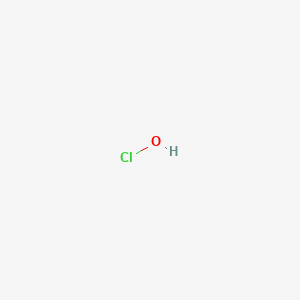
Identifiers
FormulaClHO·CAS7790-92-3·EC232-232-5
Functions
AntimicrobialANTI-Sebum +2 more
How do consumers feel about products containing Hypochlorous acid?
Positive
Mixed
Negative
Consumers view hypochlorous acid as a versatile, gentle, and effective 'magic molecule' for calming acne, soothing sensitive skin, and disinfecting surfaces without harsh irritation.
Which consumer needs, benefits, and objections are associated with Hypochlorous Acid?
Consumers primarily need a gentle yet effective antimicrobial for skincare, specifically to reduce acne, redness, and irritation, especially for sensitive skin. They value the ingredient's natural origin, noting it is produced by the human immune system, and its versatility for wound care, piercings, and cleaning. The main objections are the high cost of popular branded sprays, which drives consumers to seek cheaper alternatives, and a short shelf life of about 30 days once opened due to instability. A minor concern is potential skin tightness if overused without hydration.
What do consumers discuss about Hypochlorous acid?
Acne and Breakout Prevention
Consumers frequently use hypochlorous acid sprays to prevent and treat acne, body breakouts, and bacne by killing bacteria on the skin surface.
instagram
facebook
lemon8-app
tiktok
youtube
Soothing Sensitive and Inflamed Skin
Users praise the ingredient for calming redness, eczema, rosacea, and post-procedure irritation due to its anti-inflammatory properties.
instagram
facebook
lemon8-app
tiktok
youtube
pinterest
Stability and Formulation Concerns
Some consumers and experts warn that hypochlorous acid is chemically unstable and can degrade into ineffective salt water if not packaged correctly.
instagram
lemon8-app
youtube
Multi-Purpose Cleaning and Hygiene
Beyond skincare, users utilize hypochlorous acid for cleaning surfaces, sanitizing makeup tools, pet care, and wound care due to its non-toxic nature.
facebook
lemon8-app
tiktok
youtube
pinterest
Affordable Dupes vs Premium Brands
Consumers actively compare expensive brands like Tower 28 with cheaper alternatives, often finding similar results but debating packaging quality and concentration transparency.
lemon8-app
tiktok
How are current products and patent claims responding to consumer concerns about Hypochlorous Acid?
Commercial products and patent claims are responding to consumer concerns by focusing on stability and specialized delivery. Patent filings describe stabilized solutions that maintain a specific hypochlorite ratio to prevent degradation, and multi-chamber dispensers that generate the acid on-demand to address short shelf life. For the high cost of branded sprays, the market response is evident in consumer discussions about affordable 'dupes' rather than in patent claims. Packaging innovations, such as bag-on-valve systems, are claimed to preserve potency in consumer-facing products.
What concerns do consumers raise about Hypochlorous acid?
Product instability: Consumers worry that many sprays degrade into ineffective salt water if exposed to light, heat, or air, especially if packaged in non-airtight bottles.
instagram
lemon8-app
youtube
Potential dryness or irritation: Some users report that frequent use can be drying or cause tightness, particularly for those with already dry or compromised skin barriers.
lemon8-app
tiktok
Overkill for healthy skin: Experts note that individuals with no skin issues may see no benefit and could potentially disrupt their skin microbiome by killing healthy bacteria.
youtube
lemon8-app
Where is the gap between consumer expectations and the current Hypochlorous Acid offering?
The primary gap is between consumer expectations of a stable, everyday product and the reality of its short shelf life and instability. While consumers praise its efficacy and gentleness, they are surprised by the 30-day expiration after opening, which conflicts with the expectation of a standard, long-lasting consumer good. This is compounded by the high price of leading brands, which makes the short usable life a more significant drawback. The market is responding with stability-focused patents, but this has not yet translated into widely available, affordable products that meet consumer expectations for longevity and value.
Which formulation approaches are being used to address those concerns around Hypochlorous Acid?
Formulation approaches primarily target stability and targeted delivery. To counter instability, patents claim the use of pH adjusters like acetic acid, stoichiometric control of reactants to maintain a hypochlorous acid-dominant species, and specific packaging like light-impermeable bottles or bag-on-valve cans. For sensitive applications like eyelid cleansers, formulations control the free available chlorine concentration to a low range (e.g., 10-300 ppm) to balance efficacy with safety. Other approaches include combining hypochlorous acid with metal salts for enhanced disinfection or with moisturizers and soothing agents for skincare gels and patches.
What consumer-led opportunity or risk should researchers consider for Hypochlorous Acid?
A clear consumer-led opportunity exists in developing affordable, stable formulations that address the price and shelf-life objections. The strong consumer interest in 'dupes' indicates a demand for cost-effective alternatives to premium brands. Researchers should focus on delivering the claimed stability benefits of patented technologies into lower-cost products. The risk is that if the short shelf life is not adequately communicated or solved, it could lead to consumer distrust and product waste, undermining the otherwise overwhelmingly positive sentiment.