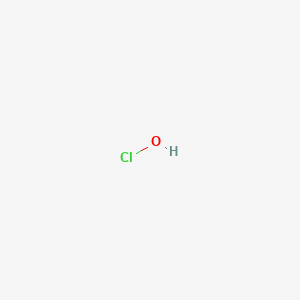
Regulations of Hypochlorous Acid

HYPOCHLOROUS ACID

Identifiers

FormulaClHO·CAS7790-92-3·EC232-232-5

Functions

AntimicrobialANTI-Sebum +2 more

How does the regulatory treatment of Hypochlorous Acid differ by market or product category?

Regulatory treatment of hypochlorous acid varies by market and product category. In the US, it is an active TSCA commercial substance, and manufacturers/importers must report production and use data under the EPA CDR rule (40 eCFR Part 711). In New Zealand, it lacks individual approval but may be used as a component in products covered by a group standard, not as a standalone chemical. In cosmetics, it is listed as an active ingredient in the EU/UK with functions including antimicrobial, anti-sebum, deodorant, and oxidizing, with no specific restrictions or concentration limits provided. This means compliance obligations differ: US reporting applies to manufacturers/importers, while NZ requires group-standard coverage, and cosmetic use appears unrestricted in the available data.

Which United States federal regulations apply to Hypochlorous acid?

1 regulation

EPA TSCA Regulatory Flag

Hypochlorous acid is listed on the EPA's Chemical Data Reporting (CDR) system. Manufacturers and importers of Hypochlorous acid are required to report information about their production and use of this chemical to the EPA under the Toxic Substances Control Act (TSCA). (40 eCFR Part 711)

What regulations apply to Hypochlorous acid in Canada?

1 regulation

DSL / NDSL

Published
31 Jan 1998
Effective
31 Jan 1998

Regulatory records

EntryRegulationTypeStatus
7790-92-3SOR/94-311NDSLauthorized

Conditions

This substance is on the Non-domestic Substances List (NDSL). The manufacture or import of a substance on the NDSL may be subject to notification under the New Substances Notification Regulations (Chemicals and Polymers) . Following notification, Environment and Climate Change Canada and Health Canada carry out a joint assessment process to determine whether there is a potential for adverse effects on the environment and human health. For more information on the regulatory requirements for new chemicals and polymers, refer to the Guidance document for the New Substances Notification Regulations (Chemicals and Polymers) .

Record details

SOR/94-311

professional use only
No

What regulations apply to Hypochlorous acid in New Zealand?

1 regulation

New Zealand EPA Inventory of Chemical Status

Hypochlorous acid: Does not have an individual approval but may be used as a component in a product covered by a group standard. It is not approved for use as a chemical in its own right.

Which conditions, limits, and use contexts most affect a compliance assessment for Hypochlorous Acid?

The most material conditions for compliance are the US TSCA CDR reporting obligations and the New Zealand group-standard requirement. In the US, manufacturers and importers must report production and use volumes to the EPA under 40 eCFR Part 711; the substance is listed as active, and US production was 100–500 million lb annually from 2020–2023. In NZ, it cannot be approved as a standalone chemical but may be included in a product under a group standard. No exposure limits, GHS classifications, or cosmetic concentration caps were provided, so those do not currently affect the assessment. The absence of specific limits means the main compliance driver is the reporting and authorization pathway, not a numeric threshold.

What should be in place before a product containing Hypochlorous Acid is assessed for launch?

Before launch, a company should confirm its US TSCA CDR reporting obligations if it manufactures or imports hypochlorous acid, since the substance is active and reporting is required under 40 eCFR Part 711. For New Zealand, the product must be covered by a group standard, as the chemical itself lacks individual approval. For cosmetic use, the ingredient is listed as active in the EU/UK with no restrictions or concentration limits, but the company should verify that its intended function (antimicrobial, anti-sebum, deodorant, oxidizing) aligns with the listed functions. Documentation should include production/use data for US reporting and evidence of group-standard coverage for NZ, but no other specific documentation was provided.

Where does the available regulatory position stop short of supporting a decision on Hypochlorous Acid?

The available regulatory position is insufficient to support a full launch decision because it lacks specific concentration limits, exposure limits, GHS classifications, and detailed conditions for use. While the US TSCA CDR reporting obligation is clear, and NZ requires group-standard coverage, there is no information on maximum allowable concentrations in any product category, nor any safety-based restrictions. For cosmetics, the ingredient is listed as active with no restrictions, but this does not confirm safety for all intended uses. Therefore, a company cannot conclude that the ingredient is compliant across all markets without additional data on use-specific limits and safety assessments.

Which recent regulatory changes or effective dates are material for Hypochlorous Acid?

No recent regulatory changes or effective dates were provided in the evidence. The available data includes US TSCA CDR reporting requirements under 40 eCFR Part 711 and New Zealand group-standard status, but no dates for upcoming changes or new effective dates were mentioned. The US production data spans 2020–2023, but that is not a regulatory change. Therefore, there is no material recent regulatory development to factor into a compliance assessment based on the supplied evidence.