Hypochlorous Acid Patent Landscape
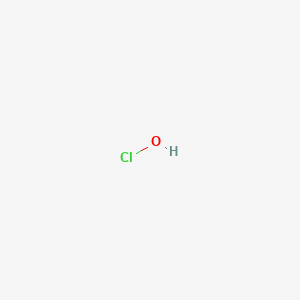
Identifiers
Functions
Which organizations and claims shape current development around Hypochlorous Acid?
Key organizations include Wiab Water Innovation Ab, Ocusoft Inc, Parasol Medical Llc, and Bridgestone. Wiab claims hand disinfectants and controlled-release biofilm treatments, while Ocusoft focuses on eyelid cleansers. Parasol Medical claims storage methods for hypochlorous acid solutions. Bridgestone applies it to rubber bonding. These claims span medical, cosmetic, and industrial domains, showing broad interest from both specialized healthcare companies and industrial manufacturers.
How is Hypochlorous acid innovation changing in Cosmetics?
Monthly patent filings by domain
Which technical problems do recent patents address with Hypochlorous Acid?
Recent patents primarily address hypochlorous acid instability and controlled delivery. KR102977614B1 claims a stabilized solution maintaining a hypochlorous acid-to-hypochlorite ratio above 7.5:1 using deionized water and pH control, while US12240636B2 claims a bag-on-valve storage method to preserve the solution. EP4710767A2 tackles biofilm infections through controlled-release preparations, and US2025051163A1 solves on-demand generation with a multi-chamber dispenser. These approaches focus on extending shelf life, ensuring consistent active concentration, and enabling targeted application, which are critical for commercial viability in medical and cosmetic uses.
How do recent patents change the role or application of Hypochlorous Acid?
Hypochlorous acid is shifting from a general disinfectant to a specialized active agent in niche applications. Patents show its use in eyelid cleansers (EP4734910A1, AU2024307009A1) for antimicrobial cleansing, in treating eczema and biofilms (US2026224452A1, EP4710767A2), and even as a surface treatment for vulcanized rubber bonding (JP7818528B2). This diversification expands its role beyond traditional disinfection into personal care, medical therapeutics, and industrial processes, indicating a broader functional versatility.
How is Hypochlorous acid used in Cosmetics patents?
Which Cosmetics product categories feature Hypochlorous acid in recent patents?
Which product categories and formulation strategies emerge in recent work on Hypochlorous Acid?
Emerging strategies include specialized delivery systems and formulation stabilization. Multi-chamber dispensers (US2025051163A1) enable on-demand generation, while bag-on-valve cans (US12240636B2) preserve stability. Controlled-release preparations (EP4710767A2) target biofilm infections. Eyelid cleansers (EP4734910A1, AU2024307009A1) use low concentrations (0.005–0.05 wt%) with co-ingredients like sodium acetate and surfactants. These strategies focus on enhancing stability, extending product life, and tailoring formulations for specific anatomical or industrial uses.
Where is the evidence-backed white space for further development of Hypochlorous Acid?
Evidence-backed white space exists in industrial applications beyond rubber bonding, such as surface treatments for other materials, given Bridgestone's patent. Additionally, combination therapies with other active agents (e.g., silane quaternary ammonium in US12240636B2) suggest potential for enhanced antimicrobial formulations. The focus on stability and controlled release indicates opportunities in long-term storage solutions or sustained-release formats for chronic conditions like eczema. However, these are inferred from limited patent data.