Products & Brands Using Hypochlorous Acid
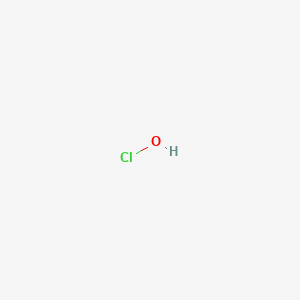
Identifiers
Functions
How broadly is Hypochlorous acid used across tracked brands and products?
Brands
1
Across 1 product types
Products
1
Includes function: Biocide
Product Types
1
Distinct formulation categories
Functions
4
Known functional-use labels
What does product breadth indicate about the commercial maturity of Hypochlorous Acid?
Commercial maturity is low based on product breadth, with only one product from 2017, indicating limited recent market activity. However, patent activity is robust with 33 patents, many from 2025-2026, suggesting active R&D and potential for market growth. The concentration of patents in eyelid care and wound care indicates emerging niches rather than mature categories. The gap between commercial scarcity and patent abundance implies the ingredient is in a development phase, with opportunities for first-mover advantage in specialized applications.
How is Hypochlorous Acid positioned across the market?
Hypochlorous Acid is positioned as a versatile antimicrobial active across cleaning and personal care, with commercial evidence showing a surface cleaner under Reckitt Benckiser, and patent evidence targeting medical and cosmetic niches like eyelid care, wound healing, and eczema treatment. The ingredient is framed as a primary active agent with functions like biocide, deodorizer, and oxidizing agent. This dual positioning suggests market messaging around efficacy and safety, but the single commercial product limits conclusions about actual consumer positioning.
Top companies using Hypochlorous acid in their products
Ranked by number of tracked products that list hypochlorous acid, out of 1 total.
Where is Hypochlorous acid covered by tracked regulatory lists?
Jurisdictions
Markets where this ingredient appears on tracked ingredient regulation lists.
US Federal
77 tracked lists
California
11 tracked list
Other
11 tracked list
Regulatory Bodies
Authorities cited most often across the tracked ingredient lists.
MN Department of Agriculture Pesticide Sales Database
EPA
FDA
California Department of Pesticide Regulation
DrugBank
Which product categories, formats, and functions use Hypochlorous Acid?
Commercial product evidence shows Hypochlorous Acid in a single surface cleaner format, while patent evidence spans hand disinfectants, eyelid cleansers, wound care, skin disinfectants, antimicrobial gels, skin patches, and wipe handling devices. Functions include antimicrobial active, disinfectant, antibacterial agent, and skin soothing agent. The commercial product is a 2017 surface cleaner, indicating limited market presence in that category. Patent activity suggests broader potential in personal care and medical applications, but these are claimed approaches, not confirmed products.
Which product categories contain Hypochlorous acid?
Tracked product categories ranked by distinct products containing this ingredient.
Which formulation and co-ingredient patterns recur around Hypochlorous Acid?
Recurring formulation patterns include pairing Hypochlorous Acid with acetic acid for pH adjustment and biofilm treatment, and with sodium chloride as a co-ingredient in commercial surface cleaner. Patents also show combinations with metal salts (copper, zinc) for disinfection synergy, and with surfactants like sodium lauryl sulfate in eyelid cleansers. Concentrations vary by application: eyelid cleansers use 0.005-0.05%, disinfectants 725-1200 ppm, and gels 0.003-0.08%. Stability-focused patents emphasize controlled pH and hypochlorite ratios, indicating formulation innovation around shelf-life and efficacy.
Which product spaces around Hypochlorous Acid appear crowded or differentiated?
Eyelid cleansers appear crowded in patent evidence, with multiple filings from Ocusoft specifying similar low concentrations and co-ingredients, indicating a competitive niche. In contrast, spaces like skin patches and wipe handling devices show fewer patents, suggesting differentiation opportunities. Stability-focused formulations, such as stabilized solutions with specific hypochlorite ratios, are a key differentiator. Acetic acid combinations for biofilm treatment also represent a distinct space. Commercial products are absent in these areas, offering white space for innovation.