L Theanine Toxicity
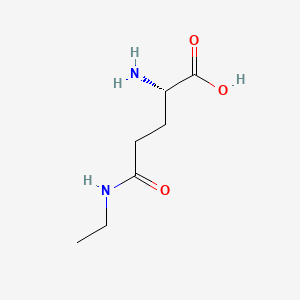
Identifiers
Functions
Hazards

What are the material safety considerations for L-theanine?
The primary material safety consideration for L-theanine is its GHS classification as a skin sensitizer (H317, Warning), indicating it may cause an allergic skin reaction. No acute toxicity values or other toxicological test data are available in the supplied evidence. In cosmetics, L-theanine is listed as an active ingredient with functions as a skin conditioning emollient and humectant, with no cosmetic restrictions or maximum concentration limits specified. This suggests the safety profile is favorable for topical use, but the skin sensitization hazard warrants attention in formulation and handling protocols.
How should hazard classifications and toxicology findings for L-theanine be interpreted together?
The GHS skin sensitization classification (H317) should be interpreted as a warning-level hazard requiring precautionary labeling, but it does not indicate systemic toxicity or acute danger. The absence of toxicology test data and exposure limits means the severity of the sensitization response cannot be quantified. In the cosmetic regulatory context, L-theanine has no restrictions or concentration caps, suggesting regulators consider it safe for its intended emollient and humectant functions. Together, these findings indicate a manageable safety profile where the primary risk is localized allergic contact dermatitis rather than systemic toxicity, though the lack of quantitative toxicology data limits a full risk assessment.
Which exposure routes, dose contexts, or effects are material for L-theanine?
The material exposure route for L-theanine is dermal contact, given its cosmetic functions as a skin conditioning agent and humectant. The GHS H317 classification specifically flags skin exposure as the relevant route for the allergic reaction hazard. No inhalation, ingestion, or ocular exposure data are provided, and no occupational exposure limits exist in the evidence. For cosmetic formulations, repeated dermal application is the expected exposure scenario, making skin sensitization the primary concern. The absence of concentration limits in cosmetic regulations suggests that typical use concentrations are not considered hazardous, but the sensitization potential means that even low concentrations could trigger reactions in susceptible individuals.
Which handling and risk-management measures are relevant for L-theanine?
Relevant handling measures for L-theanine focus on storage integrity and skin protection. Recommended storage includes lined metal cans, pails, or drums, and plastic pails, with containers kept securely sealed in original packaging to maintain product stability and prevent contamination. Given the skin sensitization classification, formulators should implement handling procedures that minimize dermal contact, such as using appropriate personal protective equipment during manufacturing and quality control processes. For finished cosmetic products, labeling should include the H317 warning to inform consumers of the allergic skin reaction potential. No additional engineering controls or exposure monitoring are indicated by the evidence, as no exposure limits exist.
Which safety evidence gaps should be resolved before making decisions about L-theanine?
Before making final safety decisions, the critical evidence gap is the absence of toxicology test data, including acute toxicity values, repeat-dose studies, and reproductive or developmental toxicity information. The GHS classification provides only the skin sensitization endpoint, leaving systemic toxicity potential uncharacterized. Additionally, no exposure limits (occupational or environmental) are available, which limits the ability to establish safe handling thresholds. For cosmetic use, while no restrictions exist, the lack of a formal safety assessment or opinion means the sensitization potency and cross-reactivity potential remain unknown. Resolving these gaps would require toxicological studies and exposure assessments to support a comprehensive safety dossier.