“1 tbsp raw unfiltered Manuka honey... creates a powerful wellness drink.”
Manuka Honey Consumer Sentiment
CtrlK
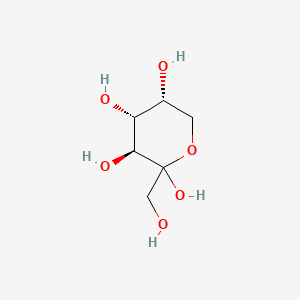
Identifiers
FormulaC6H12O6·CAS57-48-7·EC200-333-3
Functions
Astringent
How do consumers feel about products containing Manuka honey?
Positive
Mixed
Negative
Consumers view Manuka Honey as a highly effective, versatile natural remedy for health and skincare, though there is significant awareness regarding its high cost and the need to verify authenticity through certifications.
Which consumer needs, benefits, and objections are associated with manuka honey?
Consumers associate manuka honey with antibacterial, antimicrobial, and gut-health benefits, often citing MGO as the key bioactive compound. They also value its natural sweetness in food and skincare applications, viewing it as a premium 'liquid gold' product. However, a serious objection is confusion over UMF versus MGO rating systems, which undermines trust in potency claims. A moderate concern is difficulty distinguishing genuine manuka honey from fakes or blends. These needs and objections center on verified efficacy and authenticity, not just general honey benefits.
What do consumers discuss about Manuka honey?
Health and Immune Support
Consumers frequently cite Manuka Honey's antibacterial properties for soothing sore throats, fighting colds, and supporting gut health.
instagram
facebook
lemon8-app
tiktok
Skincare and Wound Healing
Users praise Manuka Honey for treating acne, eczema, dry skin, and wounds due to its anti-inflammatory and healing properties.
instagram
facebook
lemon8-app
Authenticity and Certification Confusion
Consumers express concern about fake products and seek guidance on interpreting MGO and UMF ratings to ensure they are buying genuine honey.
facebook
lemon8-app
Premium Pricing and Value
Users acknowledge the high cost of Manuka Honey compared to regular honey, often viewing it as a special occasion purchase or investment in health.
Versatile Culinary Uses
Beyond direct consumption, consumers enjoy using Manuka Honey in recipes like cough syrups, gummies, and baking.
instagram
lemon8-app
How are current products and patent claims responding to consumer concerns about manuka honey?
Current products respond to authenticity concerns by emphasizing certification, such as UMF™, which claims to guarantee potency and purity for the full shelf life. Patent claims, however, do not directly address these consumer concerns. The only relevant patent focuses on a cosmetic composition combining manuka honey with royal jelly and a Lactobacillus fermentation extract to improve skin compatibility, measured by a reduced water contact angle. This indicates a formulation-driven response to skincare benefits rather than to labeling or authenticity issues. No patent claims were found that tackle rating confusion or counterfeit detection.
What concerns do consumers raise about Manuka honey?
High price point makes it inaccessible for daily use or requires careful budgeting.
Difficulty distinguishing genuine Manuka honey from fake or low-quality products due to confusing labeling.
facebook
lemon8-app
Confusion between different certification standards (UMF vs MGO) leads to uncertainty about which product offers true medicinal value.
facebook
Where is the gap between consumer expectations and the current manuka honey offering?
The primary gap is between consumer expectations for verified potency and the confusing, non-standardized labeling currently offered. Consumers expect clear, trustworthy indicators of antibacterial strength, but the coexistence of MGO and UMF ratings creates confusion. Additionally, while consumers seek genuine manuka honey, the market's difficulty in distinguishing authentic products from fakes undermines confidence. Current offerings and patents do not bridge this gap; they focus on health benefits or cosmetic formulations, not on simplifying or standardizing potency communication.
Which formulation approaches are being used to address those concerns around manuka honey?
Formulation approaches are leveraging manuka honey's antibacterial properties in combination with other natural ingredients. One patent claims a skin-compatibility booster that blends manuka honey with royal jelly and a Lactobacillus fermentation extract in a 1:1:1 mass ratio, aiming to reduce the skin contact angle to 14 degrees or less. This approach targets cosmetic applications, potentially addressing consumer interest in skincare benefits. However, no formulation approaches were found that directly address the labeling confusion or authenticity concerns; those remain unaddressed at the formulation level.
What consumer-led opportunity or risk should researchers consider for manuka honey?
A clear opportunity lies in developing a consumer-friendly, standardized potency label that reconciles MGO and UMF ratings, directly addressing the top objection. This could differentiate products and build trust. The risk is that continued confusion may drive consumers to alternative antibacterial products or lower-cost blends, eroding the premium positioning. Researchers should also explore formulation synergies, as the patent suggests combining manuka honey with other bee-derived ingredients for enhanced skin benefits, but must ensure that any new claims are substantiated to avoid further skepticism.