Manuka Honey Toxicity
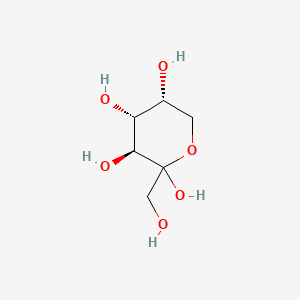
Identifiers
Functions
What are the material safety considerations for manuka honey?
Manuka honey is considered safe in current cosmetic practices of use and concentration, with no GHS hazard classifications reported. Short-term exposure may cause mechanical irritation, and inhalation or eye contact can produce transient effects such as cough, redness, or pain. These are localized, non-systemic responses consistent with a viscous, particulate material. The absence of GHS classifications and the positive safety finding support a low intrinsic hazard profile, but formulators should still account for physical irritation potential in product design and labeling.
How should hazard classifications and toxicology findings for manuka honey be interpreted together?
The absence of GHS classifications and the positive safety finding should be interpreted as complementary evidence that manuka honey poses low systemic toxicity risk in cosmetic use. The reported mechanical irritation and transient eye/inhalation effects are consistent with physical properties rather than chemical toxicity. This means regulatory classification is unlikely to be triggered, but product safety assessments should still address local irritation potential. The safety finding is concentration- and use-specific, so any change in application or exposure conditions would require re-evaluation.
Which exposure routes, dose contexts, or effects are material for manuka honey?
Material exposure routes for manuka honey are inhalation and eye contact, with effects limited to cough, redness, and pain. These are acute, localized responses from short-term exposure, not systemic toxicity. Dermal exposure is the primary intended route in cosmetics, and the safety finding supports its use without restriction. The lack of reported systemic effects or chronic toxicity data means the material's hazard is primarily physical irritation. Formulators should consider particle size and application method to minimize airborne dust and accidental eye contact.
Which handling and risk-management measures are relevant for manuka honey?
Handling measures should focus on preventing mechanical irritation and accidental exposure. For manufacturing, minimize dust generation and use eye protection to avoid redness and pain from contact. In consumer products, formulation should ensure the ingredient is adequately dispersed to reduce inhalation risk, especially in powders or sprays. The absence of GHS classifications means no special regulatory controls are required, but standard hygiene practices and clear labeling for eye contact are prudent. These measures align with the low hazard profile while addressing the reported transient effects.
Which safety evidence gaps should be resolved before making decisions about manuka honey?
Key evidence gaps include the absence of GHS classification data, quantitative concentration limits, and specific dermal irritation or sensitization data. The safety finding is positive but lacks detail on maximum use levels, which is critical for formulating high-concentration products. Additionally, no chronic toxicity or systemic absorption data are available, limiting long-term risk assessment. Resolving these gaps—particularly dermal sensitization and concentration thresholds—would strengthen regulatory submissions and support broader product claims.