Regulations of Manuka Honey

MEL

Identifiers

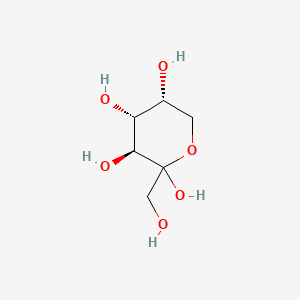
FormulaC6H12O6·CAS57-48-7·EC200-333-3

Functions

SKIN Conditioning - EmollientHumectant +1 more

How does the regulatory treatment of manuka honey differ by market or product category?

Regulatory treatment of manuka honey varies by market and product category. In the EU, honey (MEL) is an active cosmetic ingredient with no restrictions or concentration limits, functioning as a skin-conditioning emollient, humectant, and moisturizer. In the US, its primary component D-fructose is an FDA food additive used as a flavor enhancer, nutritive sweetener, and processing aid, with specific food category standards. In Australia and New Zealand, D-fructose is listed on industrial chemical inventories but lacks individual approval, requiring group standard coverage. For food use, US FDA regulations apply; for cosmetics, EU and other regional cosmetic regulations govern.

Which United States federal regulations apply to Manuka honey?

4 regulations

EPA TSCA Regulatory Flag

D-Fructose is listed on the EPA's Chemical Data Reporting (CDR) system. Manufacturers and importers of D-Fructose are required to report information about their production and use of this chemical to the EPA under the Toxic Substances Control Act (TSCA). (40 eCFR Part 711)

FDA Direct Food Additives

Regulatory records

EntryRegulationTypeStatusSource
101.921 CFR 101.9Labeling StandardsauthorizedView
131.11121 CFR 131.111Labeling StandardsauthorizedView
131.11221 CFR 131.112Labeling StandardsauthorizedView
131.17021 CFR 131.170Labeling StandardsauthorizedView
131.20021 CFR 131.200Labeling StandardsauthorizedView
131.20321 CFR 131.203Labeling StandardsauthorizedView
131.20621 CFR 131.206Labeling StandardsauthorizedView
133.17921 CFR 133.179Labeling StandardsauthorizedView
146.13221 CFR 146.132Labeling StandardsauthorizedView
155.17021 CFR 155.170Labeling StandardsauthorizedView

FDA GRAS Notices

Sweetest of the sugars found in fruits and honey; Added to ice cream to prevent sandiness; [Merck Index] Used as a preservative and as an intravenous infusion in parenteral feeding; [ChemIDplus] Used as an additive to food/foodstuffs and in pharmaceuticals; [IUCLID] Used as flavoring agent or adjuvant, formulation aid, nutritive sweetener, processing aid, solvent, stabilizer or thickener, and texturizer for foods; [FDA]

FDA Technical Effects

Regulatory records

RegulationStatus
FDA Technical Effect: FLAVOR ENHANCERauthorized
FDA Technical Effect: FLAVORING AGENT OR ADJUVANTauthorized
FDA Technical Effect: FORMULATION AIDauthorized
FDA Technical Effect: NUTRITIVE SWEETENERauthorized
FDA Technical Effect: PROCESSING AIDauthorized
FDA Technical Effect: SOLVENT OR VEHICLEauthorized
FDA Technical Effect: STABILIZER OR THICKENERauthorized
FDA Technical Effect: TEXTURIZERauthorized

What EU regulatory requirements apply to Manuka honey?

1 regulation

Status Regulation (EC)

Reg. (EU) 2015/1392, Reg. (EU) No 540/2011

What regulations apply to Manuka honey in Canada?

1 regulation

DSL / NDSL

Published
04 May 1994
Effective
04 May 1994

Regulatory records

EntryRegulationTypeStatus
57-48-7SOR/94-311DSLauthorized

Conditions

This substance is on the Domestic Substances List (DSL). This substance was added to the DSL as an “Existing Substance” given that it meets the criteria set out in CEPA for substances that were in commerce in Canada between 1984 and 1986.

Record details

SOR/94-311

professional use only
No

What regulations apply to Manuka honey in China?

1 regulation

IECIC Listed Ingredients (List I)

Published
24 Jun 2025
Effective
24 Jun 2025

Regulatory records

EntryRegulationTypeStatus
2341Inventory of Existing Cosmetic Ingredients in China (IECIC) IList Iauthorized

Record details

Inventory of Existing Cosmetic Ingredients in China (IECIC) I

professional use only
No

What regulations apply to Manuka honey in Australia?

1 regulation

The Australian Inventory of Industrial Chemicals

Chemical: D-Fructose

What regulations apply to Manuka honey in New Zealand?

1 regulation

New Zealand EPA Inventory of Chemical Status

Fructose: Does not have an individual approval but may be used as a component in a product covered by a group standard. It is not approved for use as a chemical in its own right.

Which conditions, limits, and use contexts most affect a compliance assessment for manuka honey?

Key conditions affecting compliance include: in the EU, honey has no cosmetic restrictions or maximum concentration limits, but must be used within its function as a skin-conditioning agent. In the US, D-fructose as a food additive must comply with specific food category standards (e.g., 21 CFR 101.9, 131.111) and may require reporting under TSCA CDR if manufactured or imported. In New Zealand, D-fructose is not individually approved and must be covered by a group standard. For powdered forms, EU REACH notes airborne particles can reach nuisance concentrations, requiring dust control measures.

What should be in place before a product containing manuka honey is assessed for launch?

Before launch, confirm the product category (food, cosmetic, or industrial) and applicable regional regulations. For cosmetics, verify honey (MEL) is listed as active with no restrictions in the target market. For food, ensure D-fructose meets FDA food additive standards and category-specific requirements. For industrial uses, check TSCA CDR reporting obligations and New Zealand group standard coverage. Also assess physical form: powdered honey may trigger EU REACH dust nuisance concerns. Documentation should include ingredient specifications, CAS numbers (e.g., 8028-66-8 for honey), and any required regulatory submissions.

Where does the available regulatory position stop short of supporting a decision on manuka honey?

The available regulatory position is insufficient for a full decision because it addresses D-fructose and honey (MEL) generically, not manuka honey specifically. No evidence covers manuka-specific regulations, authentication standards, or unique compound requirements (e.g., methylglyoxal). The EU cosmetic listing shows no restrictions, but this does not confirm safety for all applications. US FDA data covers D-fructose as a food additive, not honey as a whole. New Zealand and Australian inventory statuses are for D-fructose, not honey. Therefore, a compliance assessment cannot rely solely on this evidence for manuka honey claims or market entry.

Which recent regulatory changes or effective dates are material for manuka honey?

No recent regulatory changes or effective dates are identified in the evidence. The EU cosmetic regulation lists honey (MEL) as active with no restrictions, but no amendment dates are provided. US FDA food additive standards for D-fructose are referenced without effective dates. TSCA CDR reporting requirements are ongoing, but no recent changes are noted. New Zealand and Australian inventory statuses are current but not dated. Therefore, no material regulatory changes or upcoming deadlines can be confirmed from the supplied evidence.