Ormocer Toxicity
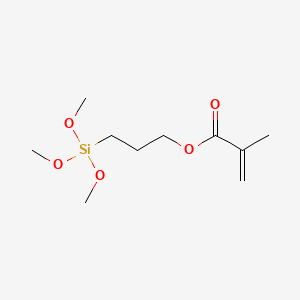
Identifiers
Functions
Hazards

What are the material safety considerations for Ormocer?
Ormocer presents low acute oral toxicity (rat oral LD50 23.5 g/kg) but is classified as a skin irritant (H315), serious eye irritant (H319), and respiratory irritant (H335), each with a Warning signal word. These classifications indicate that while acute ingestion is unlikely to be harmful, direct contact with skin, eyes, or inhalation of dust or vapors poses a material risk. Formulators should prioritize irritation control over systemic toxicity concerns. The absence of established exposure limits means occupational exposure must be managed conservatively based on the irritation hazard profile.
How should hazard classifications and toxicology findings for Ormocer be interpreted together?
The hazard classifications and toxicology data should be interpreted together to conclude that Ormocer's primary risk is local irritation rather than systemic toxicity. The high oral LD50 (23.5 g/kg) indicates very low acute lethality, but the GHS classifications for skin, eye, and respiratory irritation are the controlling hazards for workplace and formulation safety. These classifications trigger labeling and handling requirements even though the material is not acutely toxic. The irritation hazards are more relevant for routine handling and accidental exposure scenarios than the LD50 value, which primarily informs poisoning response protocols.
Which exposure routes, dose contexts, or effects are material for Ormocer?
Material exposure routes for Ormocer are dermal contact, ocular contact, and inhalation, based on the GHS irritation classifications. The rat oral LD50 of 23.5 g/kg indicates that ingestion is a low-risk route. Skin and eye irritation are the most immediate effects, while respiratory irritation may occur from airborne particulates or vapors. The lack of exposure limits means no quantitative occupational threshold is established, so exposure should be minimized through engineering controls and personal protective equipment. The irritation effects are likely dose-dependent, with higher concentrations increasing severity.
Which handling and risk-management measures are relevant for Ormocer?
Handling measures for Ormocer should focus on preventing skin, eye, and respiratory irritation. Store in a cool, dry, tightly closed container, protected from moisture and under nitrogen, with temperatures below 30°C to minimize peroxide formation. Use explosion-proof ventilation and adequate ventilation to keep airborne concentrations low. Facilities should have eyewash stations and safety showers. Given the methacrylate-related storage guidance, limit storage duration (e.g., six months for polyfunctional methacrylates) and protect from UV light. These controls address both irritation hazards and material stability concerns.
Which safety evidence gaps should be resolved before making decisions about Ormocer?
Before finalizing safety decisions, resolve the absence of established exposure limits (e.g., PEL, TLV) and the lack of chronic toxicity or repeated-dose data. The available evidence covers acute oral toxicity and irritation but does not address long-term exposure effects, reproductive toxicity, or carcinogenicity. Additionally, the storage duration recommendations are based on methacrylate analogs, not Ormocer-specific stability data. These gaps are material because they prevent a complete occupational risk assessment and may require conservative assumptions in safety data sheets and handling protocols.