EPA TSCA Regulatory Flag
Section 8(a) of TSCA requires manufacturers of this chemical substance to report preliminary assessment information concerned with production, use, and exposure to EPA as cited in the preamble of 51 FR 41329.
Sources
Identifiers
Functions
Hazards

Regulatory treatment of Ormocer varies by market. In the EU, the substance is an active REACH registration and subject to ECHA C&L notifications, with GHS classifications for skin, eye, and respiratory irritation. In the US, it is an active TSCA commercial substance with CDR reporting obligations and OSHA PPE requirements. In Australia, it is listed on AICIS. In New Zealand, it lacks individual approval but may be used under a group standard. Product category matters: dental and adhesive uses are documented, but no category-specific approvals are evidenced.
1 regulation
Section 8(a) of TSCA requires manufacturers of this chemical substance to report preliminary assessment information concerned with production, use, and exposure to EPA as cited in the preamble of 51 FR 41329.
Sources
3 regulations
Status: Active Update: 16-02-2023 https://echa.europa.eu/registration-dossier/-/registered-dossier/15277
Regulation (EC) No 1935/2004 (amended)
Regulation (EC) No 1935/2004 (amended)
1 regulation
Regulatory records
| Entry | Regulation | Type | Status |
|---|---|---|---|
| 3278 | Inventory of Existing Cosmetic Ingredients in China (IECIC) I | List I | authorized |
Record details
1 regulation
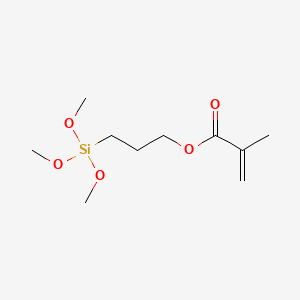
Chemical: 2-Propenoic acid, 2-methyl-, 3-(trimethoxysilyl)propyl ester
1 regulation
3-(Trimethoxysilyl)propyl methacrylate: Does not have an individual approval but may be used under an appropriate group standard
Key conditions include GHS hazard classifications (H315, H319, H335) that trigger labeling and safety data requirements. US OSHA mandates PPE for eyes, skin, and respiratory protection under specific conditions. EPA requires wastewater containment and evaluation against discharge criteria, with disposal per 40 CFR Part 261 if not manageable. TSCA CDR reporting applies to manufacturers/importers. No numeric exposure limits are provided. Use context—such as dental primer at 4% concentration—affects risk assessment but does not alter these obligations.
Before launch, confirm the substance's regulatory status in each target market: active REACH registration in the EU, TSCA active status and CDR compliance in the US, AICIS listing in Australia, and New Zealand group standard eligibility. Ensure GHS classification and labeling align with ECHA notifications. Implement OSHA-compliant PPE and respiratory protection programs. For US environmental compliance, establish wastewater containment and disposal procedures. Verify that any dental or adhesive use matches documented applications, but note that no product-specific approvals are evidenced.
The available regulatory position does not confirm whether Ormocer itself—as opposed to its constituent monomer—is the regulated entity. The evidence refers to 2-propenoic acid, 2-methyl-, 3-(trimethoxysilyl)propyl ester, which may be a component, not the final Ormocer polymer. No specific use restrictions, concentration limits, or approval conditions for Ormocer as a finished material are provided. The absence of exposure limits and category-specific rules means a compliance decision cannot be fully supported without additional data.
The only dated regulatory event is the EU REACH registration update on 16 February 2023, indicating active status. No other recent changes or effective dates are provided. This update confirms ongoing EU compliance but does not signal new restrictions. For other markets, no recent regulatory changes are evidenced. Businesses should monitor for future updates, but current evidence does not indicate any imminent regulatory shifts affecting Ormocer.