“Cabbages aren’t just good for eating –you can make a colourful pH indicator from them, too”
Ph Indicator Dyes Consumer Sentiment
CtrlK
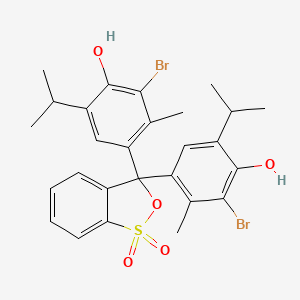
Identifiers
FormulaC27H28Br2O5S·CAS76-59-5·EC200-971-2
Functions
Colorant
Hazards

How do consumers feel about products containing Ph indicator dyes?
Positive
Mixed
Negative
Consumers view pH indicator dyes primarily as engaging educational tools for science experiments, with a strong focus on DIY natural alternatives like red cabbage and turmeric.
Which consumer needs, benefits, and objections are associated with Ph Indicator Dyes?
Consumers primarily associate pH indicator dyes with educational DIY experiments, chemistry accuracy, and product safety verification. They value natural, homemade indicators like red cabbage for teaching acid-base concepts, and they rely on dye behavior for precise titration results. Objections are not explicitly stated, but the absence of negative sentiment suggests low concern, though the evidence base is thin. The main need is practical, accessible tools for learning and verification, not standalone consumer products.
What do consumers discuss about Ph indicator dyes?
DIY Natural Indicators
Users frequently share recipes and enthusiasm for creating homemade pH indicators using kitchen ingredients like red cabbage, turmeric, and beetroot.
facebook
Educational Science Experiments
Posts highlight the use of pH indicators in school settings and home STEM activities to teach acid-base chemistry concepts.
facebook
Laboratory and Industrial Use
Specific chemical indicators like phenolphthalein and phenol red are discussed in the context of titrations, cell culture monitoring, and academic study.
instagram
facebook
Consumer Product Color Change
Consumers express curiosity about how pH-sensitive dyes function in everyday products like disappearing glue and color-changing lip glosses.
youtube
How are current products and patent claims responding to consumer concerns about Ph Indicator Dyes?
Current market response is minimal, as no commercial products or patent claims were identified for pH indicator dyes. Consumer discussions reference patented technologies like Crayola's Color Wonder leuco dye, but that is a specific application, not evidence of broader market adoption. The lack of patent data indicates that formulation responses are not yet publicly documented, leaving a gap between consumer interest in DIY and educational uses and formal product development.
Where is the gap between consumer expectations and the current Ph Indicator Dyes offering?
The gap lies between consumer interest in accessible, natural pH indicators for education and the lack of commercial products or documented formulations. Consumers seek simple, safe, and visual tools for teaching and verification, but the market does not appear to offer dedicated pH indicator dye products. This gap suggests an opportunity for product development, but the evidence is too limited to define specific unmet needs or market size.
Which formulation approaches are being used to address those concerns around Ph Indicator Dyes?
Formulation approaches are not documented in the available evidence. Consumer discussions highlight natural substances like red cabbage, turmeric, and radish as DIY pH indicators, but these are not commercial formulations. In educational contexts, synthetic dyes such as methyl red and phenolphthalein are used for titration accuracy, but no formulation details are provided. The absence of patent or product data means no specific formulation strategies can be confirmed.
What consumer-led opportunity or risk should researchers consider for Ph Indicator Dyes?
A consumer-led opportunity exists in developing safe, natural pH indicator kits for educational and home use, given the strong interest in DIY experiments. However, the risk is that consumers may prefer homemade solutions over commercial products, limiting market potential. Researchers should explore whether there is demand for standardized, reliable natural indicators that offer consistent color charts, as current DIY approaches may lack accuracy. The evidence is too sparse to confirm commercial viability.