Ph Indicator Dyes Toxicity
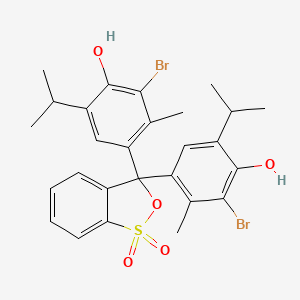
Identifiers
Functions
Hazards

What are the material safety considerations for Ph Indicator Dyes?
Ph Indicator Dyes present acute oral toxicity, skin irritation, and serious eye irritation based on GHS classifications. The hazard statements H302, H315, and H319 indicate that ingestion is harmful and contact with skin or eyes causes irritation. These are warning-level hazards, not severe toxicity categories. For formulators, this means the dyes require standard chemical handling precautions but do not pose high acute lethality risks. Regulatory labels must include the corresponding hazard statements and signal word. The absence of detailed toxicology test data limits deeper risk characterization, but the GHS classifications provide a baseline for immediate safety communication.
How should hazard classifications and toxicology findings for Ph Indicator Dyes be interpreted together?
The GHS classifications should be interpreted as a coherent set of acute hazards: oral ingestion is harmful, and skin or eye contact causes irritation. All three classifications share the same warning signal word and notification ratio, suggesting consistent hazard severity across exposure routes. This means the primary safety concern is localized irritation and acute oral toxicity, not systemic or chronic effects. For risk assessment, these classifications indicate that protective measures should focus on preventing ingestion and dermal/ocular contact. The lack of supporting toxicology data means these classifications are the only quantitative basis for hazard interpretation.
Which exposure routes, dose contexts, or effects are material for Ph Indicator Dyes?
Material exposure routes are oral ingestion, skin contact, and eye contact, based on the GHS hazard statements. The oral route is associated with acute toxicity (H302), while dermal and ocular routes cause irritation (H315, H319). There are no exposure limits or dose-response data available, so the severity of effects at specific concentrations cannot be quantified. For handling, this implies that ingestion is the most serious risk, followed by skin and eye irritation. The absence of exposure limits means occupational exposure control must rely on general chemical hygiene practices rather than specific threshold values.
Which handling and risk-management measures are relevant for Ph Indicator Dyes?
Relevant risk-management measures include preventing ingestion and avoiding skin and eye contact, as indicated by the GHS hazard classifications. Standard controls would include using protective gloves, safety goggles, and appropriate ventilation to minimize exposure. Since the hazards are warning-level, these measures are sufficient for routine handling. However, the absence of specific handling recommendations or exposure limits means that controls should be based on general chemical safety protocols. For formulation, this suggests incorporating these dyes in a way that minimizes dust generation or spill risk to reduce oral and dermal exposure.
Which safety evidence gaps should be resolved before making decisions about Ph Indicator Dyes?
Before making decisions, the key evidence gaps are the absence of toxicology test data, exposure limits, and specific handling recommendations. Without these, the full hazard profile—especially chronic effects, reproductive toxicity, or carcinogenicity—remains unknown. The GHS classifications only cover acute hazards, so long-term exposure risks cannot be assessed. Additionally, the lack of exposure limits prevents quantitative risk assessment for occupational settings. Resolving these gaps would require obtaining toxicological studies and regulatory exposure values to support a comprehensive safety assessment.