Polyethylene Furanoate Environmental Fate & Ecotoxicity
Identifiers
Functions
Hazards

What is known about the environmental fate of Polyethylene Furanoate?
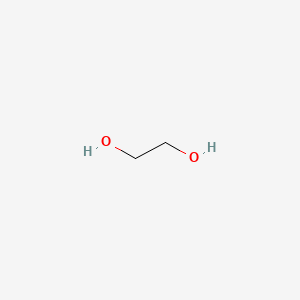
Direct environmental fate data for Polyethylene Furanoate (PEF) are not available. The supplied evidence describes the fate of its constituent monomers and related polymers: ethylene glycol and polyethylene glycol. Ethylene glycol shows very high soil mobility, rapid biodegradation in soil and water, and no volatilization from water. Polyethylene glycol also shows high soil mobility and biodegradation, with rates decreasing as molecular weight increases. These findings suggest that PEF's environmental fate will depend on its degradation into these components, but the fate of the intact polymer is not characterized. This evidence gap is critical for assessing PEF's persistence and transport in the environment.
What do biodegradation, bioaccumulation, and ecotoxicity findings indicate for Polyethylene Furanoate?
Direct biodegradation, bioaccumulation, and ecotoxicity data for Polyethylene Furanoate are absent. For the related substances, ethylene glycol is readily biodegradable in aerobic and anaerobic conditions, with low bioconcentration potential (BCF 10). Polyethylene glycol also shows biodegradation, though slower for higher molecular weights, and low bioconcentration potential (BCF 3). Ecotoxicity values for ethylene glycol and polyethylene glycol are generally high (LC50 >1,000,000 ug/L for fish and Daphnia), indicating low acute toxicity. However, these findings cannot be extrapolated to PEF without direct testing. This lack of direct hazard data is a significant limitation for environmental risk assessment.
Which environmental exposure pathways or concentrations are reported for Polyethylene Furanoate?
No environmental exposure pathways or concentrations are reported for Polyethylene Furanoate. The supplied evidence includes no measured environmental concentrations for PEF. For related substances, ethylene glycol and polyethylene glycol are released through waste streams from production and use, with direct releases from deicing fluids and drilling fluids. General population exposure to these related substances occurs via inhalation, dermal contact, and ingestion of consumer products. However, these exposure pathways are not specific to PEF. The absence of exposure data for PEF is a critical gap, preventing any quantitative assessment of its environmental presence or human exposure.
How might use context or formulation affect the environmental profile of Polyethylene Furanoate?
The environmental profile of Polyethylene Furanoate may be influenced by its use context, but direct evidence is lacking. For related substances, ethylene glycol's use in deicing fluids and drilling fluids leads to direct environmental release, while polyethylene glycol's use in cosmetics, pharmaceuticals, and food additives results in release through waste streams. These patterns suggest that PEF's applications, such as packaging or textiles, could determine its release pathways and subsequent environmental fate. However, without PEF-specific data, any inference is speculative. Formulation additives or degradation products could also alter its environmental behavior, but this remains uncharacterized.
Which evidence gaps must be resolved before making sustainability claims about Polyethylene Furanoate?
Before making sustainability claims about Polyethylene Furanoate, several evidence gaps must be resolved. Direct data on PEF's environmental fate, including its biodegradation rate, persistence, and degradation products, are absent. No ecotoxicity or bioaccumulation data exist for PEF, and environmental exposure concentrations are unreported. The fate of PEF in soil, water, and air, and its potential for long-range transport, are unknown. Additionally, the influence of polymer molecular weight and formulation on its environmental behavior is not characterized. Without these data, any sustainability claim regarding PEF's environmental safety would be unsupported.