Polyethylene Furanoate Toxicity
Identifiers
Functions
Hazards

What are the material safety considerations for Polyethylene Furanoate?
Polyethylene Furanoate presents a material safety profile dominated by acute toxicity, organ toxicity, and irritation hazards. GHS classifications include harmful if swallowed (H302) or inhaled (H332), skin and eye irritation (H315, H320), respiratory irritation (H335), and specific target organ toxicity from single (H370) and repeated (H372, H373) exposure. Reproductive toxicity (H360) is also flagged. These hazards indicate that occupational handling requires stringent controls to prevent ingestion, inhalation, and dermal contact. The presence of multiple 'Danger' signal words underscores the need for comprehensive safety data sheets and exposure monitoring in any formulation or processing context.
How should hazard classifications and toxicology findings for Polyethylene Furanoate be interpreted together?
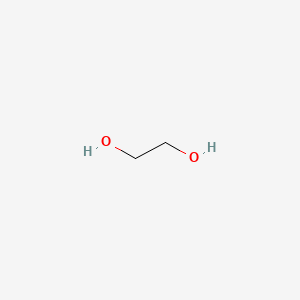
The GHS classifications and toxicology data should be interpreted as a composite hazard profile, not as direct polymer toxicity. The classifications align with acute and repeated exposure risks, but the underlying toxicology data are largely derived from ethylene glycol, a potential monomer or degradation product. For instance, the oral LD50 in rats is 4700 mg/kg, and chronic reference doses are 0.8 mg/kg-day (oral) and 0.4 mg/m³ (inhalation). These values suggest moderate acute toxicity but significant concern for repeated exposure. The reproductive toxicity classification (H360) is a critical red flag that warrants further investigation before assuming polymer safety.
Which exposure routes, dose contexts, or effects are material for Polyethylene Furanoate?
Material exposure routes for Polyethylene Furanoate include oral, inhalation, dermal, and ocular. Acute oral exposure can cause nausea, vomiting, abdominal pain, and CNS depression, with an oral LD50 of 4700 mg/kg in rats. Inhalation of high vapor concentrations (>80 ppm) causes respiratory irritation and cough. Dermal contact leads to redness and irritation, while eye exposure causes pain and corneal injury. Chronic oral reference doses are 0.8 mg/kg-day, and inhalation chronic reference concentration is 0.4 mg/m³. These data indicate that repeated low-level exposure, especially via inhalation or ingestion, is the primary concern for occupational settings.
Which handling and risk-management measures are relevant for Polyethylene Furanoate?
Handling measures should prioritize preventing inhalation of vapors or aerosols and avoiding skin/eye contact. Use local exhaust ventilation to keep airborne concentrations below the ACGIH TLV of 25 ppm (vapor) or 10 mg/m³ (inhalable aerosol). Wear chemical-resistant gloves, safety goggles, and protective clothing to prevent dermal and ocular exposure. For oral exposure, strict hygiene practices and prohibition of eating/drinking in work areas are essential. Given the reproductive toxicity classification (H360), additional controls such as medical surveillance and exposure monitoring are advisable for workers of childbearing potential.
Which safety evidence gaps should be resolved before making decisions about Polyethylene Furanoate?
The primary evidence gap is the lack of polymer-specific toxicology and exposure data. All available hazard classifications and reference doses are derived from ethylene glycol, which may not represent the polymer's behavior. Key unknowns include the polymer's degradation products, its potential to release ethylene glycol under processing conditions, and its actual inhalation or dermal bioavailability. Additionally, the reproductive toxicity classification (H360) is based on monomer data and requires verification for the polymer. Resolving these gaps is essential before making regulatory or formulation decisions.