Polyhydroxyalkanoates
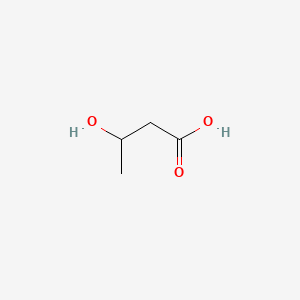
Identifiers
Functions
Hazards

Where is polyhydroxyalkanoates used, and what role does it play in each application?
Polyhydroxyalkanoates, specifically polyhydroxybutyrate, are used in cosmetics as an abrasive and skin-conditioning agent. In this context, the polymer functions as a particulate material for mechanical exfoliation and as a film-forming or conditioning component that contributes to skin feel. Outside cosmetics, the related monomer 3-hydroxybutyric acid is used to synthesize biodegradable plastics and is a human metabolite relevant to energy metabolism during fasting. The evidence does not support other application roles, such as coatings or biomedical uses, from the available sources.
Which product or formulation problem does polyhydroxyalkanoates address?
Polyhydroxybutyrate addresses formulation needs for gentle physical exfoliation and skin conditioning in cosmetic products. As an abrasive, it provides a solid particulate phase for removing dead skin cells without relying on harsh or non-biodegradable materials. Its skin-conditioning function helps maintain or improve the condition of the skin surface after exfoliation. The polymer's origin from a biodegradable monomer (3-hydroxybutyric acid) may also support sustainability claims, though the evidence does not explicitly confirm biodegradability in finished formulations.
What supports the main commercial or clinical uses of polyhydroxyalkanoates?
The main commercial use is supported by its active listing in the European Union's cosmetic ingredient database, where polyhydroxybutyrate is officially recognized with functions as an abrasive and skin-conditioning agent. This regulatory listing indicates that the ingredient is permitted for cosmetic use without specific restrictions or concentration limits in the available data. Additionally, the monomer 3-hydroxybutyric acid is an active commercial substance under the U.S. TSCA inventory, confirming its industrial status. However, no clinical or efficacy studies were provided to substantiate performance claims.
Which formulation trade-offs should researchers consider for polyhydroxyalkanoates?
Researchers should consider that polyhydroxybutyrate is listed without any maximum concentration or use restrictions in cosmetics, offering formulation flexibility but also requiring internal safety assessment. As an abrasive, particle size and hardness will influence exfoliation intensity and skin feel, but these parameters are not specified in the evidence. The polymer's compatibility with other cosmetic ingredients and its stability under formulation conditions are not documented. Additionally, while the monomer is a known human metabolite, the polymer's safety profile in topical applications is not established beyond its regulatory listing.
What are the physicochemical properties of Polyhydroxyalkanoates?
| Property | Value | Category |
|---|---|---|
| Physical Description | Hygroscopic liquid; [Merck Index] Clear, colorless to light yellow viscous liquid; Hygroscopic; [Acros Organics MSDS] | Appearance |
| Collision Cross Section | 137.54 Ų [M-H]- [CCS Type: DT; Method: stepped-field], 137.1 Ų [M-H]- | Analytical Properties |
| Semi-standard non-polar | 976.6 | Analytical Properties |
| XLogP3 | -0.5 | Computed Molecular Properties |
| Exact Mass | 104.047344113 | Computed Molecular Properties |
| Monoisotopic Mass | 104.047344113 | Computed Molecular Properties |
| Topological Polar Surface Area | 57.5 | Computed Molecular Properties |
| Complexity | 69.3 | Computed Molecular Properties |
| Hydrogen Bond Donor Count | 2 | Computed Molecular Properties |
| Hydrogen Bond Acceptor Count | 3 | Computed Molecular Properties |
Which formulation benchmark best contextualizes polyhydroxyalkanoates, and what differs?
A relevant benchmark is the monomer 3-hydroxybutyric acid, which is a naturally occurring human metabolite and a building block for biodegradable plastics. Unlike the polymer, the monomer has extensive clinical research, with about 230 trials exploring its role in conditions like Crohn's disease, type 1 and type 2 diabetes, and exogenous ketosis. This contrast highlights that the polymer's cosmetic applications are distinct from the monomer's metabolic and therapeutic uses. The polymer's role as an abrasive and skin conditioner has no direct clinical benchmark in the provided evidence.