Polyhydroxyalkanoates Toxicity
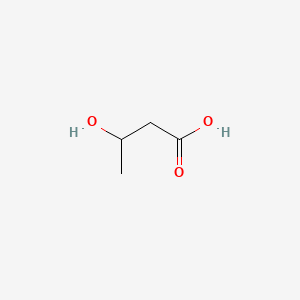
Identifiers
Functions
Hazards

What are the material safety considerations for polyhydroxyalkanoates?
Polyhydroxyalkanoates present primarily irritation-based hazards under GHS classification, with H315 (skin irritation), H319 (serious eye irritation), and H335 (respiratory irritation) all carrying a Warning signal word at 100% notification ratio. No specific toxicity test data, exposure limits, or handling guidance are available in the supplied evidence. The material is also listed in cosmetic ingredient databases as an active abrasive and skin-conditioning agent with no restrictions or maximum concentration limits. These classifications indicate that immediate handling precautions should focus on preventing skin, eye, and respiratory contact, while the absence of systemic toxicity data limits deeper risk characterization.
How should hazard classifications and toxicology findings for polyhydroxyalkanoates be interpreted together?
The GHS classifications should be interpreted as the primary safety signal, indicating that polyhydroxyalkanoates are irritants requiring warning-level labeling for skin, eye, and respiratory contact. Since no toxicology test data accompany these classifications, the hazard statements cannot be corroborated with dose-response or severity information. The cosmetic regulatory listing shows active status with no restrictions, suggesting that at intended cosmetic use levels, the irritation potential is considered manageable, but this does not override the GHS warnings. Formulators should treat the material as an irritant until additional toxicological evidence clarifies whether the classifications reflect concentration-dependent effects or inherent material properties.
Which exposure routes, dose contexts, or effects are material for polyhydroxyalkanoates?
The material exposure profile centers on dermal, ocular, and respiratory routes based on the GHS classifications: skin irritation (H315), serious eye irritation (H319), and respiratory irritation (H335). These effects are warning-level, indicating reversible irritation rather than severe or permanent damage. No occupational exposure limits, no systemic toxicity data, and no specific dose thresholds are available to define safe exposure levels. In cosmetic applications, the material functions as an abrasive and skin conditioner, implying intentional skin contact, which makes dermal and ocular irritation the most relevant exposure contexts. Respiratory irritation becomes material primarily during handling of powdered or particulate forms.
Which handling and risk-management measures are relevant for polyhydroxyalkanoates?
Risk-management measures should prioritize preventing skin, eye, and respiratory contact given the GHS Warning classifications for irritation. Appropriate controls include protective gloves, eye protection, and respiratory protection where dust or particulate exposure is possible, along with adequate ventilation to minimize inhalation of airborne material. The absence of specific handling guidance and exposure limits means standard practices for irritant powders or particulates should be applied conservatively. In cosmetic formulations, the active status without restrictions suggests that finished-product safety assessments can proceed, but raw material handling should still follow irritant precautions. No emergency or first-aid measures are available in the evidence, so these should be developed based on the GHS statements.
Which safety evidence gaps should be resolved before making decisions about polyhydroxyalkanoates?
The critical evidence gap is the complete absence of toxicology test data, including acute toxicity, repeat-dose studies, sensitization potential, and genotoxicity, which prevents a full safety assessment beyond irritation classifications. No exposure limits exist to guide occupational monitoring or safe handling thresholds. The GHS classifications lack supporting dose or concentration information, so it is unclear whether irritation is inherent to the polymer or formulation-dependent. For cosmetic use, the absence of restrictions is reassuring but not equivalent to a safety opinion. Resolving these gaps requires obtaining toxicological study data and, if available, regulatory safety assessments before finalizing product formulations or occupational exposure plans.