EPA TSCA Regulatory Flag
Butanoic acid, 3-hydroxy-: ACTIVE
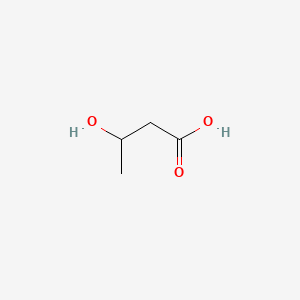
Identifiers
Functions
Hazards

Regulatory treatment varies by jurisdiction and product category. In the EU, polyhydroxybutyrate is listed as an active cosmetic ingredient with functions as an abrasive and skin conditioning agent, with no restrictions or maximum concentration limits specified. In the US, the related substance 3-hydroxybutyric acid is listed as ACTIVE under TSCA for commercial activity. In Australia, it appears on the AICIS industrial chemicals inventory. In New Zealand, it lacks individual approval but may be used under an appropriate group standard. These differences mean compliance requirements depend on target market and whether the product is cosmetic, industrial, or another category.
1 regulation
Butanoic acid, 3-hydroxy-: ACTIVE
1 regulation
Regulatory records
| Entry | Regulation | Type | Status |
|---|---|---|---|
| 300-85-6 | SOR/94-311 | DSL | authorized |
Conditions
This substance is on the Domestic Substances List (DSL). This substance was added to the DSL as an “Existing Substance” given that it meets the criteria set out in CEPA for substances that were in commerce in Canada between 1984 and 1986.
Record details
1 regulation
Chemical: Butanoic acid, 3-hydroxy-
1 regulation
3-Hydroxybutyric acid: Does not have an individual approval but may be used under an appropriate group standard
The most decision-relevant conditions are hazard classifications and inventory status rather than concentration limits. EU GHS notifications classify 3-hydroxybutyric acid as causing skin irritation (H315), serious eye irritation (H319), and respiratory irritation (H335), all with warning signal word. These classifications trigger labeling and safety data sheet requirements. No maximum concentration limits, body part restrictions, or use conditions are specified for polyhydroxybutyrate in cosmetics. The absence of exposure limits in available data means occupational exposure assessment cannot rely on established thresholds. Compliance assessment should prioritize hazard communication obligations over concentration-based restrictions.
Before launch assessment, documentation should confirm the specific substance identity and its regulatory inventory status in each target market. For the US, evidence of TSCA active status for 3-hydroxybutyric acid supports commercial activity. For the EU, the cosmetic ingredient listing for polyhydroxybutyrate with active status and official journal inclusion supports use, but hazard classification documentation for skin, eye, and respiratory irritation must be incorporated into safety data sheets and labeling. For Australia and New Zealand, inventory listing or group standard eligibility must be verified. No food additive or drug approval evidence exists, so food or pharmaceutical claims would require additional regulatory pathways.
The available regulatory position stops short of confirming full compliance for several reasons. First, the evidence covers polyhydroxybutyrate and 3-hydroxybutyric acid, not the broader polyhydroxyalkanoates class, so conclusions cannot be generalized. Second, the New Zealand listing explicitly notes no individual approval, creating uncertainty about group standard applicability. Third, no food additive or drug approvals appear, limiting product category scope. Fourth, GHS classifications are based on company notifications, not authoritative regulatory determinations, so hazard conclusions may not be definitive. Finally, the absence of concentration limits or conditions does not confirm safety; it reflects missing data rather than regulatory clearance.
No recent regulatory changes or effective dates are identifiable from the available evidence. The food additive listing for 3-hydroxybutanoic acid includes a date of 06/09/2017, but this does not indicate a regulatory change or effective date for polyhydroxyalkanoates. The cosmetic ingredient status for polyhydroxybutyrate is marked as active with official journal inclusion, but no amendment dates or transitional provisions are provided. Without evidence of pending or recent regulatory actions, compliance assessments should treat current inventory statuses and hazard classifications as the baseline, while monitoring for updates in jurisdictions where the substance lacks individual approvals, such as New Zealand.