Scutellaria Alpina Extract Patent Landscape
Identifiers
Functions
Hazards

Which organizations and claims shape current development around scutellaria alpina extract?
DSM IP Assets B V is the sole organization behind the recent patent, claiming a cosmetic and/or non-therapeutic method for treating inflammation, reducing specific cytokine activity, soothing sensitive skin, and lowering transepidermal water loss. The claims are method- and composition-based, emphasizing a combination of the extract with spent grain wax. This indicates DSM's interest in proprietary combinations for skin health. The implication is that DSM may be seeking to differentiate its ingredient portfolio. A boundary: patent applications do not confirm product adoption or market presence.
How is Scutellaria alpina extract innovation changing?
Monthly patent filings
Which technical problems do recent patents address with scutellaria alpina extract?
Recent patent evidence focuses on treating or preventing inflammation of keratinous tissue, reducing IL-1α, IL-8, and VEGF protein activity, and soothing sensitive skin symptoms such as redness, vascular hyper-reactivity, stinging, itching, and burning. The extract is also claimed to reduce transepidermal water loss. This positions the ingredient as a solution for skin barrier dysfunction and inflammatory skin conditions. The business implication is a clear opportunity in sensitive-skin and barrier-repair cosmetics. A boundary: the evidence is limited to a single patent application, so the scope of claimed problems is narrow.
How do recent patents change the role or application of scutellaria alpina extract?
The patent changes the role of scutellaria alpina extract from a general botanical to a targeted anti-inflammatory active, specifically combined with spent grain wax to modulate IL-1α, IL-8, and VEGF proteins. This combination suggests a synergistic approach where the extract addresses inflammatory mediators while the wax supports skin-barrier function. The implication for formulators is a shift toward multi-functional, barrier-supportive anti-inflammatory systems. A boundary: the patent claims a method and composition, not a proven mechanism or commercial product, so the role is aspirational rather than established.
Which product categories and formulation strategies emerge in recent work on scutellaria alpina extract?
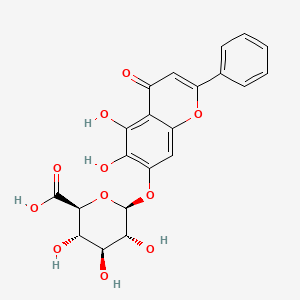
The emerging product category is cosmetic compositions for sensitive skin, with a formulation strategy combining scutellaria alpina extract at 0.1–1.0% with spent grain wax, argan oil, and shea butter. The inclusion of scutellarin as a co-ingredient suggests a focus on standardized active content. This strategy targets both inflammation and barrier repair, appealing to consumers seeking multi-benefit products. The business implication is a premium positioning in the sensitive-skin segment. A boundary: only one formulation approach is disclosed, limiting the breadth of strategic insight.
Where is the evidence-backed white space for further development of scutellaria alpina extract?
Evidence-backed white space exists in exploring scutellaria alpina extract for oral or dermatological applications beyond cosmetics, given the patent's focus on topical keratinous tissue. The claimed reduction of IL-1α, IL-8, and VEGF suggests potential in chronic inflammatory skin conditions, but no patent evidence covers those. Additionally, the combination with spent grain wax is novel; other barrier-supporting waxes or delivery systems remain unexplored. The business implication is an opportunity to expand into therapeutic-adjacent claims. A boundary: the evidence is limited to one patent, so this white space is speculative.