Scutellaria Alpina Extract Toxicity
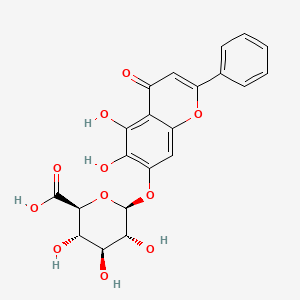
Identifiers
Functions
Hazards

What are the material safety considerations for scutellaria alpina extract?
Scutellaria alpina extract is classified under GHS as a skin irritant (H315), serious eye irritant (H319), and respiratory irritant (H335), all with a Warning signal word. These classifications indicate that the material can cause irritation upon contact with skin, eyes, or inhalation of dust or mist. No specific toxicology test data or exposure limits are available in the supplied evidence. The extract is listed in the EU cosmetic ingredient database as a skin-conditioning agent with no restrictions or maximum concentration limits, suggesting it is permitted for cosmetic use under current regulatory listings.
How should hazard classifications and toxicology findings for scutellaria alpina extract be interpreted together?
The GHS hazard classifications should be interpreted as the primary safety signal for this extract, indicating local irritant effects rather than systemic toxicity. The consistent Warning signal word across all classifications (skin, eye, respiratory) suggests a moderate hazard profile that requires precautionary labeling and handling. The absence of any toxicology test results or exposure limits means that the severity and dose-response relationships cannot be quantified. The cosmetic regulatory listing without restrictions implies that at typical cosmetic use concentrations, the irritant potential is considered manageable, but formulators should still verify safety for their specific product type and concentration.
Which exposure routes, dose contexts, or effects are material for scutellaria alpina extract?
Material exposure routes for scutellaria alpina extract are skin contact, eye contact, and inhalation, based on the GHS hazard statements. Skin and eye irritation are the primary effects, with respiratory irritation also noted, indicating that airborne particulate or mist exposure is a concern. No dose-response data, occupational exposure limits, or specific toxicology test results are available to define safe exposure thresholds. For cosmetic use, dermal exposure is the most relevant route, and the absence of restrictions in the EU cosmetic database suggests that dermal application is considered acceptable, but inhalation exposure during manufacturing or handling should be minimized.
Which handling and risk-management measures are relevant for scutellaria alpina extract?
Handling measures should focus on preventing skin, eye, and respiratory irritation, as indicated by the GHS Warning classifications. Use personal protective equipment such as gloves, safety goggles, and respiratory protection when handling the powder or concentrated extract. Ensure adequate ventilation to minimize inhalation of dust or mists. In cosmetic formulations, the extract is listed without restrictions, but formulators should conduct product-specific safety assessments, especially for leave-on products or those applied near the eyes. Since no exposure limits are available, conservative engineering controls and hygiene practices are recommended during manufacturing.
Which safety evidence gaps should be resolved before making decisions about scutellaria alpina extract?
Before making final safety decisions, the following evidence gaps should be resolved: specific toxicology test data (e.g., acute toxicity, repeated-dose, sensitization) are missing, and no occupational exposure limits are available. The GHS classifications provide hazard identification but not dose-response or potency information. Additionally, the cosmetic regulatory listing does not include a maximum concentration, so the safe use level in finished products is unknown. These gaps are critical for conducting a robust risk assessment, especially for setting safe handling limits and determining maximum allowable concentrations in cosmetic formulations.