Silica Gel Environmental Fate & Ecotoxicity
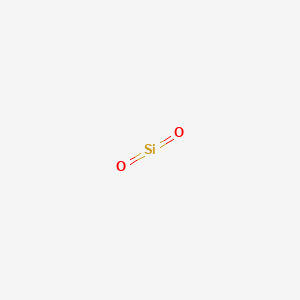
Identifiers
Functions
What is known about the environmental fate of silica gel?
Direct environmental fate data for silica gel are not reported in the available evidence. The absence of measured persistence, degradation, or transport data means its fate in soil, water, or air cannot be characterized. This limits any regulatory or safety assessment that depends on fate parameters, such as exposure modeling or risk classification. Without such evidence, no conclusion can be drawn about whether silica gel accumulates in environmental compartments or undergoes transformation. Further studies are needed to establish its environmental behavior.
What do biodegradation, bioaccumulation, and ecotoxicity findings indicate for silica gel?
The only ecotoxicity evidence is a carp LC50 greater than 10,000 mg/L over 72 hours, indicating very low acute aquatic toxicity under the unspecified test conditions. No biodegradation or bioaccumulation data are available. This single high LC50 value suggests limited acute hazard to fish, but it does not address chronic effects, other species, or environmental persistence. Formulators can use this as a preliminary indication of low acute aquatic toxicity, but a full hazard profile remains incomplete.
Which environmental exposure pathways or concentrations are reported for silica gel?
No measured environmental concentrations or specific exposure pathways for silica gel are reported in the available evidence. Without these data, it is not possible to estimate actual environmental loading, transport routes, or human or ecological exposure levels. This absence prevents quantitative risk assessment or comparison with regulatory thresholds. For product stewardship, this means exposure potential must be inferred from use patterns and physicochemical properties, but such inference is not supported by the current evidence.
How might use context or formulation affect the environmental profile of silica gel?
The available evidence does not include any use-context or formulation-specific environmental data. While silica gel is commonly used as a desiccant, its environmental profile could vary with particle size, surface treatment, or disposal route, but none of these factors are addressed in the supplied evidence. Therefore, no conclusions can be drawn about how different applications or formulations might alter environmental fate, toxicity, or exposure. This gap is critical for assessing real-world environmental impact.
Which evidence gaps must be resolved before making sustainability claims about silica gel?
Before any sustainability claim can be made, the following evidence gaps must be filled: environmental fate (persistence, degradation, transport), biodegradation, bioaccumulation, chronic ecotoxicity, and measured environmental concentrations. The only current data point is an acute fish LC50, which is insufficient for sustainability assertions. Without these data, claims about environmental safety, biodegradability, or low ecological impact are unsupported. Research should prioritize generating these missing datasets to enable evidence-based sustainability communication.