Silica Gel Toxicity
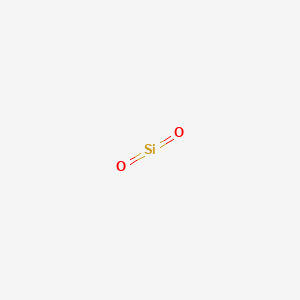
Identifiers
Functions
What are the material safety considerations for silica gel?
Silica gel presents primarily irritant hazards, with GHS classifications for skin (H315), eye (H319), and respiratory irritation (H335) at a warning level. More severe classifications include carcinogenicity (H350/H350I) and organ toxicity (H372/H373) at a danger level, though these are based on a minority of notifications. Acute oral toxicity is low (rat LD50 >22,500 mg/kg; mouse >15,000 mg/kg), and ingestion is not expected to produce acute symptoms. However, chronic inhalation exposure may affect the lungs, potentially leading to silicosis, and may also impact kidneys or trigger autoimmune diseases.
How should hazard classifications and toxicology findings for silica gel be interpreted together?
The hazard classifications and toxicology findings should be interpreted with attention to form and exposure context. The IARC classifies amorphous silica as Group 3 (not classifiable as to carcinogenicity to humans), while the GHS H350/H350I classifications are based on a smaller proportion of notifications (12.6%) and may reflect crystalline silica contamination or specific forms. The Cosmetic Ingredient Review concluded that synthetically-manufactured amorphous silica is safe in current cosmetic practices when formulated to be non-irritating. Thus, the danger-level classifications are not uniformly supported by the broader toxicological evidence, and form-specific data are critical.
Which exposure routes, dose contexts, or effects are material for silica gel?
Inhalation is the primary exposure route for silica gel, with short-term exposure causing mechanical irritation to the respiratory tract, eyes, and skin. Acute symptoms include cough (inhalation), redness (skin), and redness with pain (eyes). Chronic inhalation may lead to lung effects such as silicosis, and potentially autoimmune diseases or kidney damage. Oral exposure is unlikely to cause acute symptoms, and the high LD50 values indicate low acute toxicity. Occupational exposure limits include a respirable fraction OEL of 0.1 mg/m³ and a NIOSH REL of 6 mg/m³ (10-hour TWA), with an IDLH of 3000 mg/m³.
Which handling and risk-management measures are relevant for silica gel?
Handling measures should focus on minimizing inhalation of dust, as exposure mainly occurs via inhalation. Storage should avoid dusty atmospheres, and for carcinogen precautions, storage should be close to the use area with limited quantities and proper labeling. First aid includes immediate eye irrigation with water and moving exposed persons to fresh air. Given the potential for chronic lung effects, engineering controls and respiratory protection are advisable to keep exposures below the respirable fraction OEL of 0.1 mg/m³. For cosmetic formulations, the ingredient should be formulated to be non-irritating, as per the CIR conclusion.
Which safety evidence gaps should be resolved before making decisions about silica gel?
Key evidence gaps include the lack of form-specific GHS classifications for silica gel versus other amorphous silica forms, and the withdrawal of ACGIH TLVs for amorphous silica (including silica gel) in 2006 due to insufficient data on single-substance exposure, as most exposures involve co-exposure with crystalline silica. Additionally, the carcinogenicity classification is ambiguous, with IARC Group 3 for amorphous silica but GHS H350/H350I notifications. Resolving these gaps requires clarifying whether the hazard classifications apply to silica gel specifically and obtaining chronic inhalation toxicity data for pure silica gel without crystalline contamination.