“Spermidine is a polyamine compound found naturally in every cell of your body... its ability to stimulate autophagy... enhancing immune function by keeping these cells in peak condition.”
Spermidine Consumer Sentiment
CtrlK
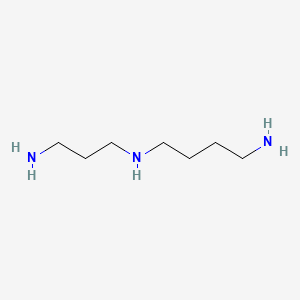
Identifiers
FormulaC7H19N3·CAS124-20-9·EC204-689-0
Functions
AntioxidantHAIR Conditioning
Hazards

How do consumers feel about products containing Spermidine?
Positive
Mixed
Negative
Consumers and brands view Spermidine as a highly effective, science-backed ingredient for promoting longevity, cellular repair, and anti-aging benefits.
Which consumer needs, benefits, and objections are associated with Spermidine?
Consumers associate spermidine with immune support, cognitive health, and cellular repair, often citing autophagy as the mechanism. A consumer post highlights high-dose supplementation to 'reboot' immune cells, while an expert references improved cognition and memory after 90 days of 1 mg food-derived spermidine in subjective cognitive decline. A brand emphasizes wheat germ as the richest natural source, linking it to cell building, dementia prevention, and anti-aging. No explicit objections were captured in the evidence, but the limited sample (three sources) suggests a positive sentiment without documented safety or efficacy concerns.
What do consumers discuss about Spermidine?
Longevity and Anti-Aging
Spermidine is widely marketed and perceived as a key supplement for slowing aging, extending life, and maintaining youthful cellular function.
instagram
facebook
tiktok
Autophagy and Cellular Repair
Users highlight spermidine's ability to stimulate autophagy, the body's natural process of cleaning out damaged cells and proteins.
instagram
facebook
tiktok
Immune System Support
Some posts mention spermidine helps reboot immune function and supports macrophages and lymphocytes during aging.
instagram
Natural Sources vs Supplements
While supplements are popular, some consumers prefer obtaining spermidine through natural foods like wheat germ, though high doses in supplements are sought for efficacy.
facebook
Sleep and Beauty Benefits
One post specifically links spermidine to 'beauty sleep' and waking up energized and youthful.
facebook
How are current products and patent claims responding to consumer concerns about Spermidine?
Patent claims are responding to consumer interest in autophagy-driven anti-aging by positioning spermidine in multi-ingredient compositions. Examples include a nutraceutical combining spermidine with urolithin A and succinate for mitophagy, an anti-aging supplement pairing it with NAD+ precursors and CoQ10, and a composition with ergothioneine and urolithin A. These claims target mitochondrial function and protein homeostasis, aligning with consumer desires for cellular repair. However, patents are not proof of market adoption; no commercial product data was available to confirm actual product availability.
What concerns do consumers raise about Spermidine?
Teleshopping products may be misleading or overhyped as miracle cures.
Where is the gap between consumer expectations and the current Spermidine offering?
The gap lies between consumer expectations of broad anti-aging benefits and the evidence base, which is limited to small studies or mechanistic claims. Consumers cite improved cognition and immune function, but the only clinical reference is a 90-day trial in subjective cognitive decline. Patents claim autophagy activation and mitochondrial support, yet these are not equivalent to proven outcomes. Additionally, consumers may expect natural food sources like wheat germ to be equivalent to supplements, but dosing and bioavailability differ. This mismatch suggests a need for clearer communication on realistic benefits and evidence strength.
Which formulation approaches are being used to address those concerns around Spermidine?
Formulation approaches focus on enhancing bioavailability and synergistic efficacy. One patent specifies spermidine as trichloride or a standardized plant extract, with dosages from 1–50 mg per unit. Another uses dual-release capsules to combine spermidine with liposomal CoQ10 and NAD+ precursors. A topical hair-loss formulation includes spermidine at 0.0005–0.1% with Galeopsis extract and biotin. These strategies aim to improve delivery and target multiple aging pathways, but clinical validation of these specific combinations is not provided in the evidence.
What consumer-led opportunity or risk should researchers consider for Spermidine?
A consumer-led opportunity is to develop spermidine products targeting cognitive health in aging populations, given the expert-cited trial showing memory improvement. However, the risk is overpromising anti-aging effects without robust clinical support. Patent activity in infant formula for neurodevelopment suggests an emerging niche, but consumer awareness is low. Researchers should prioritize clinical validation of cognitive and immune benefits to differentiate from generic anti-aging claims, while monitoring safety in vulnerable populations like infants.