Spermidine Toxicity
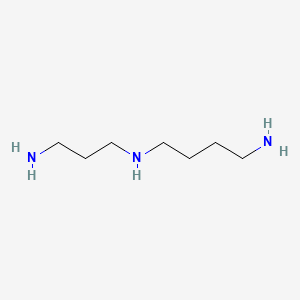
Identifiers
Functions
Hazards

What are the material safety considerations for Spermidine?
Spermidine is classified under GHS as causing severe skin burns and eye damage (H314) and serious eye damage (H318), both with a 'Danger' signal word. These classifications indicate a high potential for corrosive injury upon direct contact. The material is also listed as an active cosmetic ingredient with antioxidant and hair conditioning functions, but this does not negate the need for hazard communication. Formulators must prioritize protective measures and accurate labeling to mitigate these acute risks.
How should hazard classifications and toxicology findings for Spermidine be interpreted together?
The GHS classifications for Spermidine should be interpreted as the primary safety signal, indicating a corrosive hazard to skin and eyes. The absence of toxicological test data and exposure limits in the evidence means that systemic toxicity and chronic effects cannot be assessed. The cosmetic regulatory status, which lists no restrictions or concentration limits, does not override the GHS hazard warnings. Therefore, safety decisions should be driven by the corrosive potential, while acknowledging that the full toxicological profile remains undefined.
Which exposure routes, dose contexts, or effects are material for Spermidine?
Material exposure routes for Spermidine include endogenous presence, ingestion, and dermal contact. The GHS classifications highlight that dermal and ocular contact are the primary hazard routes, with severe burns and eye damage as the key effects. Ingestion is noted as a route but without specific toxicological outcomes. The lack of exposure limits means that no safe threshold can be defined. For formulation, this implies that any dermal or ocular exposure must be strictly controlled, and ingestion should be avoided.
Which handling and risk-management measures are relevant for Spermidine?
Given the GHS 'Danger' classifications for skin and eye corrosion, handling measures must include protective equipment such as gloves, goggles, and face shields to prevent any contact. Engineering controls like local exhaust ventilation may be necessary to minimize airborne exposure, though no specific exposure limits are provided. Since Spermidine is an active cosmetic ingredient without restrictions, formulators should still implement robust safety protocols during manufacturing and ensure that final product concentrations are safe for consumer use, though no maximum concentration is specified.
Which safety evidence gaps should be resolved before making decisions about Spermidine?
Before finalizing safety decisions, the absence of toxicological test data, exposure limits, and any specific handling instructions must be addressed. Without these, the systemic toxicity, chronic effects, and safe exposure thresholds for Spermidine remain unknown. Additionally, while the cosmetic listing shows no restrictions, the lack of a maximum concentration or conditions of use means that safe use levels in products are not established. These gaps are critical for conducting a comprehensive risk assessment and for regulatory compliance.