Spermidine Patent Landscape
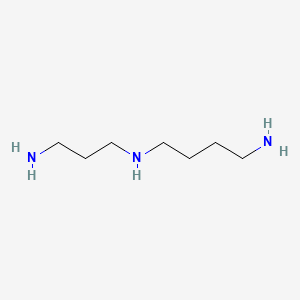
Identifiers
Functions
Hazards

Which organizations and claims shape current development around Spermidine?
Key organizations include research institutes and biotech firms like the Chinese Academy of Medical Sciences (CN122516154A), Nestle (WO2026125443A1), and Mitsubishi Gas Chemical (TWI890768B). Claims focus on autophagy/mitophagy activation, stem cell maintenance, neurodevelopment, and metabolic benefits like body fat reduction. Nestle's involvement in infant nutrition and Mitsubishi's in body fat reduction indicate expansion beyond traditional anti-aging into mainstream health and wellness. The business implication is that spermidine is attracting interest from both specialized biotech and large food/beverage companies, suggesting a broadening commercial appeal. However, patent assignees do not necessarily reflect product commercialization.
How is Spermidine innovation changing in Food & Beverage?
Monthly patent filings by domain
Which technical problems do recent patents address with Spermidine?
Recent patents address technical problems around maintaining cellular homeostasis and function, particularly age-related decline. Specific problems include preserving hematopoietic stem cell long-term reconstitution capacity and preventing depletion-related diseases like aplastic anemia (CN122516154A), promoting neurodevelopment in young individuals (WO2026125443A1), and improving semen quality (CN119300728A). A recurring problem is enhancing autophagy and mitophagy to counter aging, with spermidine used as an active agent to induce these processes (CN122461327A, RU2866019C1). The business implication is a shift from general anti-aging claims toward targeted therapeutic and functional applications, potentially opening new regulatory and market segments. A boundary: these are claimed approaches, not proven clinical outcomes.
How do recent patents change the role or application of Spermidine?
Recent patents expand spermidine's role from a general autophagy inducer to a versatile active ingredient in targeted health applications. It is now claimed for hematopoietic stem cell maintenance and transplantation support (CN122516154A), neurodevelopment in infants (WO2026125443A1), and male fertility via semen quality improvement (CN119300728A). Additionally, it appears as a secondary component in complex anti-aging formulations, such as a protein homeostasis regulator (CN122478264A) and a mitochondrial regeneration enhancer (CN122461327A). This diversification suggests broader market opportunities beyond traditional anti-aging supplements, including pharmaceuticals and specialized nutrition. However, these roles are claimed, not yet proven in commercial products.
How is Spermidine used in Food & Beverage patents?
Which Food & Beverage product categories feature Spermidine in recent patents?
Which product categories and formulation strategies emerge in recent work on Spermidine?
Emerging product categories include dietary supplements, pharmaceuticals, cosmetics, and functional foods. Formulation strategies emphasize synergistic combinations with other longevity compounds like urolithin A, nicotinamide riboside, and ergothioneine (CN122461327A, RU2866019C1). Delivery formats range from liposomes with enteric coating for targeted release (CN122461327A) to hard capsules and compressed candies (CN121890744A, CN120732029A). Topical applications for hair loss are also claimed (UA130112C2). Dosages vary widely, from 0.5 mg to 20 mg per unit, depending on the application. The business implication is a trend toward multi-ingredient, mechanism-based formulations rather than single-ingredient products, which may appeal to consumers seeking comprehensive anti-aging solutions. A boundary: these are formulation claims, not evidence of efficacy.
Where is the evidence-backed white space for further development of Spermidine?
Evidence-backed white space exists in applications beyond the dominant anti-aging and autophagy focus. Specifically, patents claim spermidine for hematopoietic stem cell transplantation support (CN122516154A) and semen quality improvement (CN119300728A), which are niche areas with limited competition. Additionally, its role in neurodevelopment for infants (WO2026125443A1) suggests potential in pediatric nutrition, a segment not heavily represented. These areas could offer differentiation for product development. However, the evidence is limited to patent claims, and further research is needed to validate efficacy and safety in these new applications.