“Cornstarch is a fine, powdery starch made from the endosperm of corn kernels. Unlike flour, it’s pure starch, which means it thickens sauces and gravies faster and gives a glossy finish that looks super appetizing.”
Starch Consumer Sentiment
CtrlK
Identifiers
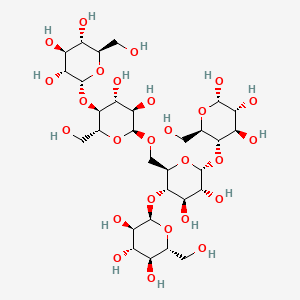
FormulaC30H52O26·CAS9037-22-3
How do consumers feel about products containing Starch?
Positive
Mixed
Negative
Consumers view starch primarily as a versatile, effective, and essential tool for cooking and baking, with growing interest in its health benefits and niche uses.
Which consumer needs, benefits, and objections are associated with Starch?
Consumers primarily value starch for its thickening utility, gluten-free baking benefits, and ability to create smooth, crisp textures without altering flavor. Objections center on confusion and distrust of 'modified' starch, with some associating it with GMOs and pesticides, and on technical difficulties like lump formation if not mixed properly. These needs and objections span culinary, personal care, and household applications, indicating a broad but functionally driven appreciation of starch.
What do consumers discuss about Starch?
Thickening Agent Utility
Cornstarch, potato starch, and tapioca starch are overwhelmingly praised for their ability to thicken sauces, gravies, and soups effectively, often preferred over flour for clarity and texture.
lemon8-app
tiktok
pinterest
facebook
Gluten-Free Baking Essential
Starches like potato, tapioca, and corn are critical components in gluten-free baking blends, used to improve texture, reduce grittiness, and provide structure without gluten.
lemon8-app
facebook
tiktok
Health and Gut Benefits
Resistant starch is highlighted by health-focused users for its potential benefits in managing histamine intolerance, reducing cancer risk, and supporting gut health.
instagram
pinterest
ASMR and Sensory Trend
A niche trend on TikTok involves consuming or playing with scented cornstarch bricks for ASMR sounds, though creators explicitly warn against consumption.
tiktok
Educational Distinctions
Users frequently seek and share information distinguishing between different types of starch (corn vs. potato vs. tapioca) and starch vs. flour to avoid cooking mistakes.
instagram
facebook
youtube
How are current products and patent claims responding to consumer concerns about Starch?
Commercial products and patent filings are responding by leveraging starch's natural, functional benefits while addressing specific objections. Products like baby powders and dry shampoos use starch for absorbency and oil control, while patents explore starch as a biodegradable alternative to microplastics and synthetic thickeners. Patent claims also focus on improving starch's performance in specific applications, such as oil-controlling foundations and hair conditioners, and on addressing sustainability concerns through biodegradable packaging and adhesives. These responses indicate a market shift toward positioning starch as a clean, functional ingredient.
What concerns do consumers raise about Starch?
Clumping when added directly to hot liquids
lemon8-app
Loss of thickening power or gel breakdown when frozen
facebook
lemon8-app
Confusion between similar terms (corn flour vs cornstarch)
instagram
facebook
Where is the gap between consumer expectations and the current Starch offering?
The primary gap lies in consumer distrust of 'modified' starch versus the industry's reliance on such modifications to achieve desired performance. While consumers appreciate natural, unmodified starch for its clean image, many commercial applications require modified forms for stability, texture, or water resistance. This creates a tension between the 'natural' expectation and the functional necessity of modification. Additionally, consumers may not fully understand the safety or purpose of these modifications, leading to skepticism. Bridging this gap requires transparent communication about the benefits and safety of modified starches.
Which formulation approaches are being used to address those concerns around Starch?
Formulation approaches are diverse, focusing on modifying starch's physical form and combining it with other materials to enhance performance. For lump prevention, slurry techniques are recommended. In cosmetics, patents describe using starch particles with controlled morphology (e.g., round, oval, or porous) for oil control, skin conditioning, and as microplastic replacements. In packaging, starch is blended with biopolymers like PLA or PVOH, or chemically modified (e.g., grafted, esterified) to improve water resistance, heat resistance, and mechanical strength. These approaches aim to tailor starch's functionality to specific consumer needs.
What consumer-led opportunity or risk should researchers consider for Starch?
A significant opportunity lies in developing starch-based solutions that address both sustainability and clean-label demands. Patents already explore starch as a microplastic replacement and in biodegradable packaging, aligning with consumer concerns about plastic pollution. However, the risk is that 'modified' starch may be perceived negatively, undermining these benefits. Researchers should focus on creating starch modifications that are clearly communicated as safe and natural, or on using native starch forms where possible, to capitalize on consumer preference for recognizable ingredients.