Starch Toxicity
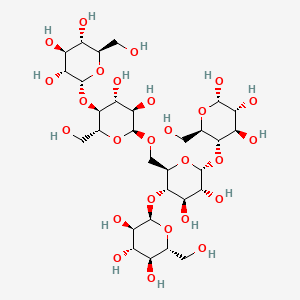
Identifiers
What are the material safety considerations for Starch?
Starch presents low acute toxicity but is a recognized irritant to eyes, skin, and mucous membranes, with respiratory effects including cough, chest pain, and rhinorrhea. It is not classifiable as a carcinogen by ACGIH. Target organs are eyes, skin, and respiratory system. These findings indicate that while starch is not a high-potency hazard, it can cause discomfort and respiratory irritation, particularly in occupational settings with high dust exposure. Formulators should prioritize dust control and personal protective equipment to mitigate these effects.
How should hazard classifications and toxicology findings for Starch be interpreted together?
The toxicology data for starch should be interpreted as indicating a nuisance-type irritant profile rather than a systemic toxicant. The absence of GHS classifications and exposure limits suggests that starch does not meet criteria for acute toxicity, carcinogenicity, or other high-severity endpoints. However, the documented irritation and respiratory symptoms warrant caution in dusty environments. The ACGIH 'not classifiable' designation means carcinogenic potential is unproven, not absent. For regulatory submissions, this profile supports classification as a low-risk substance, but safety data sheets should still list irritation hazards and target organs.
Which exposure routes, dose contexts, or effects are material for Starch?
Material exposure routes for starch are inhalation, ingestion, and skin/eye contact. Acute effects include irritation of eyes, skin, and mucous membranes, plus respiratory symptoms like cough and chest pain. Repeated or prolonged skin contact may cause dermatitis. These effects are most relevant in occupational settings where starch dust is airborne or where workers handle the material directly. For product development, this means that dust-generating processes (e.g., milling, bagging) require engineering controls, and consumer exposure via finished products is unlikely to reach irritant levels unless the product is a powder that can be inhaled.
Which handling and risk-management measures are relevant for Starch?
Relevant risk-management measures for starch focus on controlling dust and preventing direct contact. Use local exhaust ventilation and dust suppression during handling to minimize inhalation. Wear protective gloves and goggles to prevent skin and eye irritation. For long-term exposure, avoid repeated skin contact to reduce dermatitis risk. Since starch is not classified as a carcinogen and has no established exposure limits, standard industrial hygiene practices for nuisance dusts are appropriate. These measures are sufficient for most formulation and manufacturing scenarios, but additional controls may be needed if starch is modified or combined with other ingredients.
Which safety evidence gaps should be resolved before making decisions about Starch?
Before finalizing safety decisions, the absence of GHS classifications and occupational exposure limits for starch should be resolved. These data are critical for determining regulatory labeling requirements and establishing safe handling benchmarks. Additionally, quantitative toxicological data (e.g., LD50, NOAEL) are missing, which limits the ability to assess dose-response relationships for irritation and respiratory effects. While the current evidence supports a low-hazard profile, obtaining these data would strengthen safety assessments and support compliance with global chemical regulations.