Products & Brands Using Starch
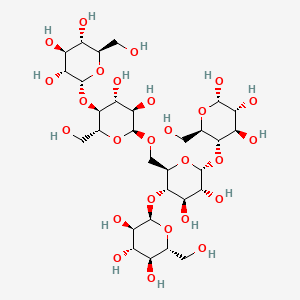
Identifiers
How broadly is Starch used across tracked brands and products?
Brands
136
Across 59 product types
Products
1,527
Includes function: Abrasive
Product Types
59
Distinct formulation categories
Functions
22
Known functional-use labels
What does product breadth indicate about the commercial maturity of Starch?
The commercial maturity of starch is high, evidenced by its long history of use, extensive product breadth, and widespread adoption across numerous brands and categories. Commercial product data shows its use spanning from 1985 to 2022, with a peak in product launches around 2016. The ingredient is found in over 1,500 products from 136 different brands, indicating deep market penetration. Furthermore, a substantial body of patent literature (281 patents) shows continued innovation in mature areas like packaging and bioplastics, as well as in emerging fields like cosmetics and pharmaceuticals, confirming its established and evolving role in the market.
How is Starch positioned across the market?
Starch is positioned as a versatile, functional, and often natural ingredient across mass-market and premium brands. In personal care, it is positioned for its absorbent and texturizing properties, appearing in products from value brands like Dollar General to premium natural lines like Burt's Bees and Weleda. In industrial applications, it is positioned as a sustainable and biodegradable alternative to synthetic polymers, as evidenced by its use in packaging, adhesives, and bioplastics. This dual positioning allows it to serve as a cost-effective bulk ingredient in some categories and a high-value, eco-friendly differentiator in others.
Top companies using Starch in their products
Ranked by number of tracked products that list starch, out of 1,527 total.
Where is Starch covered by tracked regulatory lists?
Jurisdictions
Markets where this ingredient appears on tracked ingredient regulation lists.
US Federal
4040 tracked lists
EU
1010 tracked lists
California
55 tracked lists
Canada
11 tracked list
Other
22 tracked lists
Regulatory Bodies
Authorities cited most often across the tracked ingredient lists.
FDA
Danish Environmental Protection Agency
State of California
EPA
European Food Safety Authority
Which product categories, formats, and functions use Starch?
Starch appears across a broad range of product categories, with the most significant commercial presence in personal care and cosmetics, particularly in hand/body lotions (164 products), foundations/concealers (127), and eye shadows (55). It also has a notable presence in household products like laundry starch (36) and fabric softeners (19), as well as in baby care items such as baby powder (21) and diaper cream (8). Its functions are diverse, including roles as an absorbent, binder, thickener, anti-caking agent, and viscosity modifier. This indicates starch is a versatile functional ingredient used across skin, hair, color cosmetic, and household cleaning formats.
Which product categories contain Starch?
Tracked product categories ranked by distinct products containing this ingredient.
Which formulation and co-ingredient patterns recur around Starch?
Recurring formulation patterns show starch is frequently combined with humectants, fillers, and opacifying agents. The most common co-ingredients are glycerol (325 products), titanium dioxide (295), kaolin (270), and mica (254). This combination suggests starch is often used in powder-based or emulsion systems to manage texture, absorb oil or moisture, and provide bulk. In patent filings, starch is frequently paired with synthetic polymers like polyvinyl alcohol (PVOH) and polylactic acid (PLA) to create biodegradable films and adhesives, or with plasticizers like glycerol to form thermoplastic starch. This indicates a dual role: a texture modifier in cosmetics and a structural polymer in sustainable materials.
Which product spaces around Starch appear crowded or differentiated?
The packaging and bioplastics sector appears crowded, with numerous patents for starch-based films, adhesives, and containers, often blended with PLA or PBAT. In contrast, differentiated spaces are emerging in cosmetics, where patents focus on specific functional benefits like oil control in foundations, antimicrobial activity, and using starch as a replacement for titanium dioxide in toothpaste. Another differentiated area is in specialized barrier coatings for paper, such as grease-repelling and superhydrophobic surfaces. This suggests that while the basic use of starch as a filler is mature, opportunities exist in high-performance, functional applications.