Products & Brands Using Tranexamic Acid
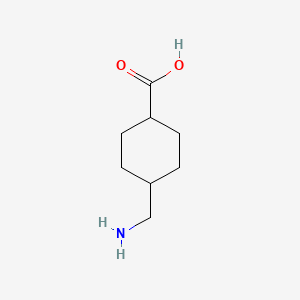
Identifiers
Functions
Hazards

How broadly is Tranexamic acid used across tracked brands and products?
Brands
2
Across 2 product types
Products
4
Includes function: Astringent (EPA)
Product Types
2
Distinct formulation categories
Functions
3
Known functional-use labels
What does product breadth indicate about the commercial maturity of Tranexamic acid?
The commercial product breadth is narrow, with only four products from two brands launched between 2016 and 2017, suggesting limited market adoption in the consumer product space. However, the extensive patent landscape—81 patents covering diverse formats, delivery systems, and combinations—indicates a high level of R&D activity and technical maturity. This contrast suggests that while the ingredient is well-researched and technologically advanced, its commercial presence may be underdeveloped or concentrated in specific niches. The patent evidence points to a mature innovation pipeline, but the lack of recent commercial launches could indicate market saturation or regulatory hurdles.
How is Tranexamic acid positioned across the market?
Tranexamic acid is positioned primarily as a skin-brightening and anti-hyperpigmentation active, with commercial product names emphasizing 'brightening' and 'white lucency.' Patent claims extend this to melasma treatment, freckle reduction, and even oral compositions for internal use, indicating a dual cosmetic and nutraceutical positioning. The ingredient is also positioned in anti-aging contexts, combined with retinol or bakuchiol for wrinkle improvement. This multi-faceted positioning suggests that brands leverage tranexamic acid for both targeted pigment concerns and broader skin tone evenness, with a growing emphasis on delivery technology as a differentiator.
Top companies using Tranexamic acid in their products
Ranked by number of tracked products that list tranexamic acid, out of 4 total.
Where is Tranexamic acid covered by tracked regulatory lists?
Jurisdictions
Markets where this ingredient appears on tracked ingredient regulation lists.
US Federal
44 tracked lists
Canada
33 tracked lists
Australia
11 tracked list
Other
44 tracked lists
Regulatory Bodies
Authorities cited most often across the tracked ingredient lists.
FDA
Government of Canada
Drinking Water Inspectorate
DrugBank
US International Trade Commission
Which product categories, formats, and functions use Tranexamic acid?
Tranexamic acid appears in face masks and hand/body lotions in commercial products, with functions including astringent, pharmaceutical, and softener/conditioner. Patent evidence expands this to serums, creams, sunscreens, eye care, mouthwash, and solid oral compositions, indicating a broader functional range from skin brightening and anti-hyperpigmentation to depigmenting and antifibrinolytic applications. This suggests the ingredient is versatile across leave-on and rinse-off formats, with a strong emphasis on skin tone evening in commercial naming. The commercial product evidence is limited to two brands and four products, so the full category breadth is better represented by patent claims than by actual market offerings.
Which product categories contain Tranexamic acid?
Tracked product categories ranked by distinct products containing this ingredient.
Which formulation and co-ingredient patterns recur around Tranexamic acid?
Recurring formulation patterns include pairing tranexamic acid with niacinamide, glutathione, and vitamin C derivatives, as seen in multiple patents. Delivery systems are a key focus, with liposomal encapsulation, ethosomes, and tetrahedral framework nucleic acid complexes claimed to improve stability and penetration. Stability challenges are addressed through crystallization inhibitors and discoloration suppressants. These patterns indicate that formulators prioritize bioavailability and stability over simple active concentration, suggesting a mature approach to ingredient delivery. The commercial product evidence shows co-ingredients like hyaluronate sodium and glycerin, but patent evidence provides the clearest picture of strategic co-ingredient selection.
Which product spaces around Tranexamic acid appear crowded or differentiated?
Crowded spaces include skin-brightening combinations with niacinamide and glutathione, as well as liposomal delivery systems, which appear in multiple patents. Differentiated spaces include novel carriers like tetrahedral framework nucleic acid complexes, silanol complexes for transdermal delivery, and targeted applications such as melasma-specific serums and post-procedure care. Additionally, oral solid compositions with high tranexamic acid content (20-60%) represent a distinct nutraceutical space. This suggests that while basic whitening combinations are well-trodden, opportunities exist in advanced delivery technologies and specialized therapeutic indications, where patent activity is more novel.