Zein
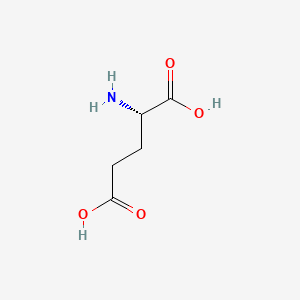
Identifiers
Functions
Where is Zein used, and what role does it play in each application?
Zein functions primarily as a structural and functional protein across food, pharmaceutical, cosmetic, and packaging applications. In food and pharma, it forms nanoparticles, films, and gels to encapsulate bioactive compounds like curcumin, resveratrol, and probiotics, and acts as an emulsifier in Pickering emulsions. In cosmetics, it serves as a film-forming, hair-conditioning, and skin-conditioning agent, and is used in hair-loss treatments. For packaging, zein is applied as a biodegradable, hydrophobic barrier coating on paper straws and films. It also appears in adhesives and vegan cheese products as a structural component.
Which product or formulation problem does Zein address?
Zein addresses formulation challenges related to stability, delivery, and barrier performance. It solves the problem of delivering hydrophobic active ingredients by forming nanoparticles and composite structures that encapsulate and protect them, improving their stability and bioavailability. In packaging, it provides a biodegradable and compostable coating that enhances wet strength and acts as a barrier, reducing reliance on PFAS and other non-sustainable materials. In cosmetics, it addresses hair and skin conditioning needs through film formation and active ingredient delivery, and in food, it helps stabilize emulsions and create structures for products like vegan cheese.
What supports the main commercial or clinical uses of Zein?
The main uses of zein are supported by its regulatory status and a substantial body of patent literature. In cosmetics, it is an active ingredient listed for film-forming, hair conditioning, and skin conditioning functions. Patent filings demonstrate a wide range of proposed applications, including encapsulation of bioactives, stabilization of Pickering emulsions, biodegradable packaging coatings, and hair-growth compositions. These filings indicate a strong research and development interest in zein's functional properties. However, the evidence is primarily from patents and regulatory listings, not from published clinical or commercial performance data.
How is Zein used clinically?
Considered to be nature's "Brain food" by improving mental capacities; helps speed the healing of ulcers; gives a "lift" from fatigue; helps control alcoholism, schizophrenia and the craving for sugar
Which formulation trade-offs should researchers consider for Zein?
Researchers must consider zein's solubility and processing requirements. It is typically dissolved in aqueous ethanol or other organic solvents, which may not be compatible with all formulation processes. Its hydrophobic nature is advantageous for barrier films but requires combination with hydrophilic polymers or polysaccharides to create stable composite structures. Formulations often require plasticizers like glycerol to improve film flexibility. The need for pH adjustment, heat treatment, or chemical modification to achieve desired properties, such as cross-linking or glycosylation, adds complexity. These factors can impact cost, scalability, and final product performance.
What are the physicochemical properties of Zein?
| Property | Value | Category |
|---|---|---|
| Physical Description | Large Crystals, White crystals or crystalline powder, Solid; [Merck Index] Colorless or white solid; [JECFA], Solid, White free-flowing, crystalline powder; Yeasty, bread-like aroma | Appearance |
| Color/Form | Orthorhombic plates from dilute alcohol | Appearance |
| Odor | Odorless | Appearance |
| Taste | Umami sour taste, Acidic (glutamate-like) taste | Appearance |
| Solubility | 8570 mg/L (at 25 °C), Sparingly soluble in water; practically insoluble in ethanol or ether, In water, 8570 mg/L at 25 °C, Insoluble in methanol, ethanol, ether, acetone, cols glacial acetic acid and common neutral solvents, 8.57 mg/mL, Slight soluble in water and ether, Insoluble (in ethanol) | Formulation Relevant Properties |
| LogP | -3.69, log Kow = -3.69 at pH 7.0 | Formulation Relevant Properties |
| pH | Between 3,0 and 3,5 (saturated solution), Aqueous solutions have pH values of approximately 2, 2.7, 10.5 | Formulation Relevant Properties |
| pKa | 2.23 (at 0 °C) | Formulation Relevant Properties |
| Dissociation Constants | pK1: 2.19; pK2: 4.25; pK3: 9.67 | Formulation Relevant Properties |
| Boiling Point | Sublimes at 175 °C | Handling Relevant Properties |
Which formulation benchmark best contextualizes Zein, and what differs?
A relevant benchmark for zein is gelatin, as both are proteins used to form films, encapsulate actives, and create structural matrices. However, zein is hydrophobic and alcohol-soluble, whereas gelatin is hydrophilic and water-soluble. This key difference means zein is better suited for moisture barrier applications and encapsulating hydrophobic compounds, while gelatin is preferred for aqueous systems. Zein also offers a plant-based, gluten-free alternative to animal-derived gelatin, which is a significant advantage for vegan and allergen-conscious product development. Formulations must be adapted to zein's solvent requirements and different mechanical properties.