“Been accused of having a facelift by two friends! Never will / ever not have this in my routine... This has extended my Botox by two months and has smoothed out fine lines.”
Zein Consumer Sentiment
CtrlK
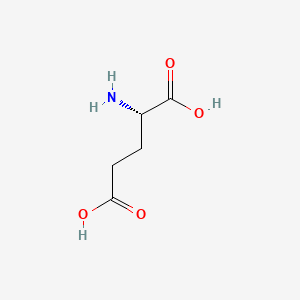
Identifiers
FormulaC5H9NO4·CAS56-86-0·EC200-293-7
Functions
SKIN Conditioning
How do consumers feel about products containing Zein?
Positive
Mixed
Negative
Consumers view Zein primarily through the lens of ZO Skin Health, praising its medical-grade efficacy for skin transformation while acknowledging the significant peeling and irritation associated with its use.
Which consumer needs, benefits, and objections are associated with Zein?
Consumers associate Zein with high-efficacy, professional-grade skincare that delivers visible improvements in pigmentation, acne, and firmness, but they also report moderate concern about skin irritation, redness, and peeling during use. The brand context positions Zein as a physician-supervised, result-oriented solution, which creates an expectation of medical-level effectiveness. The main objection is the discomfort and anxiety from peeling, which is framed as a normal reaction but still deters first-time users. A secondary objection is limited accessibility due to medical supervision requirements, which may restrict adoption among consumers seeking over-the-counter options.
What do consumers discuss about Zein?
ZO Skin Health Efficacy
Users consistently report visible improvements in skin texture, acne, and pigmentation using Dr. Zein Obagi's products, often describing them as 'result-oriented' and superior to general cosmetics.
instagram
lemon8-app
youtube
Peeling and Irritation
Consumers frequently discuss the 'peeling' (skin shedding) side effect as a normal but intense part of the treatment process, requiring careful management and hydration.
lemon8-app
Medical Grade Status
The brand is perceived as a professional, dermatologist-developed line that requires supervision or prescription, distinguishing it from over-the-counter beauty products.
lemon8-app
youtube
Retail Availability
In Paraguay, Zein is recognized as a retailer carrying popular fragrance brands like Lattafa, indicating a local business identity separate from the skincare founder.
tiktok
How are current products and patent claims responding to consumer concerns about Zein?
Current products and patent claims respond to consumer concerns by emphasizing professional-grade efficacy and addressing irritation through formulation strategies. Patents show Zein used in cosmetic compositions for hair tensile strength and anti-aging benefits, and in ceramide-encapsulating nanoparticles for skin delivery, which aligns with consumer desires for effective, natural actives. To counter irritation concerns, patents propose heat-treated Zein complexes and encapsulation approaches that may improve tolerability. However, patent claims are not evidence of market adoption, and no direct consumer feedback on these specific formulations is available.
What concerns do consumers raise about Zein?
Severe skin peeling and redness during initial use
lemon8-app
High cost and restricted access requiring professional supervision
lemon8-app
youtube
Where is the gap between consumer expectations and the current Zein offering?
The gap lies between consumer expectations of high efficacy and the reality of skin peeling and irritation, which creates anxiety despite being framed as normal. Consumers expect professional-grade results but may not be prepared for the discomfort, and the medical-supervision requirement adds a barrier. While patents propose formulations to improve delivery and stability, they do not directly address the peeling experience or provide consumer-friendly reassurance. The offering lacks clear communication on managing irritation and making the experience more comfortable, which is a key unmet expectation.
Which formulation approaches are being used to address those concerns around Zein?
Formulation approaches address consumer concerns by using Zein as a structural polymer in composite nanoparticles and films to encapsulate active ingredients like curcumin, naringin, and ceramide, improving stability and delivery. For irritation, patents describe heat-treated Zein to alter protein structure for gentler encapsulation, and complexation with polysaccharides like pectin or sodium alginate to create stable, protective matrices. These approaches aim to enhance efficacy while potentially reducing side effects, but they are patent claims, not proven consumer outcomes.
What consumer-led opportunity or risk should researchers consider for Zein?
Researchers should consider the opportunity to develop Zein-based formulations that minimize irritation while maintaining efficacy, as consumers value results but are anxious about peeling. Patents show Zein's versatility in encapsulation and film-forming, which could be leveraged to create gentler delivery systems for actives like retinol or ceramides. The risk is that if irritation is not addressed, consumers may abandon the product despite its benefits. Additionally, the medical-supervision requirement limits market reach, so there is an opportunity to create consumer-friendly, over-the-counter options that still deliver professional-grade outcomes.