Zein Environmental Fate & Ecotoxicity
Identifiers
Functions
What is known about the environmental fate of Zein?
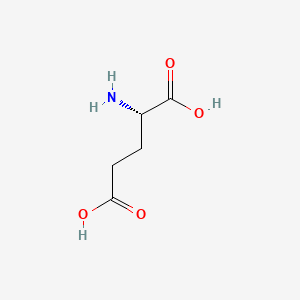
Zein's environmental fate is inferred from its constituent amino acid, glutamic acid, which shows high mobility in soil and water, minimal volatilization, and no hydrolysis under environmental conditions. In soil, an estimated Koc of 13 indicates very high mobility, while in water it is not expected to adsorb to sediments. Atmospheric fate involves both vapor and particulate phases, with vapor-phase degradation by hydroxyl radicals having an estimated half-life of 9.4 hours. These properties suggest Zein would partition readily across environmental compartments, but direct fate data for the intact protein are lacking.
What do biodegradation, bioaccumulation, and ecotoxicity findings indicate for Zein?
Biodegradation evidence for glutamic acid indicates ready biodegradability under aerobic conditions, with 90% degradation in 4 days and 97% in 28 days in OECD 301E tests, and complete anaerobic biodegradation within 7 days. Bioaccumulation potential is low, with an estimated BCF of 3. No direct ecotoxicity data for Zein or glutamic acid were provided. These findings suggest low persistence and low bioaccumulation risk, but the absence of ecotoxicity data prevents a full hazard characterization for aquatic or terrestrial organisms.
Which environmental exposure pathways or concentrations are reported for Zein?
No measured environmental concentrations or specific exposure pathways for Zein were reported. Indirect evidence for glutamic acid indicates release to the environment through waste streams from production and use, direct release from agricultural seed treatment, and natural generation by soil microorganisms. General population exposure to glutamic acid occurs via food ingestion and dermal contact with consumer products. For Zein, exposure pathways would likely involve similar routes if used in agricultural or consumer applications, but quantitative exposure data are absent.
How might use context or formulation affect the environmental profile of Zein?
Use context could significantly influence Zein's environmental profile. If used as a seed treatment, direct release to soil is expected, where high mobility and ready biodegradability would limit accumulation. In consumer products, release via wastewater would lead to aquatic exposure, but rapid biodegradation and low bioaccumulation potential suggest minimal persistence. However, formulation with other ingredients could alter degradation rates or introduce additional environmental hazards. Without product-specific data, the environmental profile remains uncertain.
Which evidence gaps must be resolved before making sustainability claims about Zein?
Before making sustainability claims, direct evidence on Zein's environmental fate, biodegradation, bioaccumulation, and ecotoxicity is required. Current data are limited to glutamic acid, a hydrolysis product, not the intact protein. Key gaps include: measured biodegradation half-lives for Zein in soil and water, bioaccumulation factors in relevant organisms, ecotoxicity endpoints for aquatic and terrestrial species, and environmental concentration data from realistic use scenarios. Without these, any sustainability claim would be unsupported.