Zein Toxicity
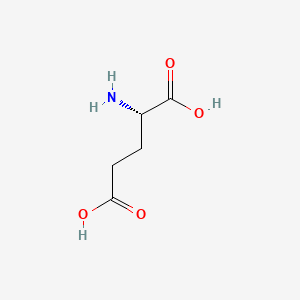
Identifiers
Functions
What are the material safety considerations for Zein?
Zein carries GHS hazard classifications of H314 (causes severe skin burns and eye damage) and H318 (causes serious eye damage), both with a Danger signal word. These classifications indicate that direct contact with the substance poses a significant risk of corrosive injury to skin and eyes. However, a Cosmetic Ingredient Review finding in rats concluded that Zein is safe in present practices of use and concentration. The safety assessment should prioritize eye and skin protection during handling, while recognizing that the CIR finding supports its use in cosmetic applications under current conditions.
How should hazard classifications and toxicology findings for Zein be interpreted together?
The GHS classifications (H314, H318) and the CIR safety finding should be interpreted as addressing different contexts: the GHS labels reflect intrinsic hazards of the raw material, while the CIR finding evaluates safety under actual cosmetic use conditions. The Danger signal word on the GHS classification indicates that concentrated or undiluted Zein requires protective measures, but the CIR conclusion suggests that at typical use concentrations, the hazard is mitigated. Formulators should not treat the GHS classification as a prohibition on use, but rather as a signal to implement appropriate engineering controls and personal protective equipment during manufacturing and handling.
Which exposure routes, dose contexts, or effects are material for Zein?
The material exposure route for Zein is oral absorption, with evidence indicating efficient absorption from the small intestine into enterocytes via an active transport mechanism. This absorption profile is relevant for understanding systemic exposure if ingested, though no toxicological endpoints from this route were reported. For dermal and ocular exposure, the GHS classifications indicate severe burn and eye damage potential, making these routes the primary concern for occupational handling. The absence of exposure limit data means that no occupational threshold has been established, so exposure should be minimized through containment and protective equipment rather than relying on permissible exposure levels.
Which handling and risk-management measures are relevant for Zein?
Relevant risk controls for Zein include storing the material in a tightly closed container in a dry, well-ventilated place, as specified in the handling guidance. Given the GHS Danger classification for skin corrosion and eye damage, handlers should use appropriate personal protective equipment such as chemical-resistant gloves, safety goggles, and protective clothing to prevent direct contact. Engineering controls like local exhaust ventilation should be considered to minimize airborne dust or particulate exposure, though no specific ventilation requirements were provided. These measures are essential for protecting workers during formulation and manufacturing, even though the CIR finding supports safety at cosmetic use concentrations.
Which safety evidence gaps should be resolved before making decisions about Zein?
Key evidence gaps include the absence of quantitative toxicological data such as LD50 values, NOAEL/LOAEL thresholds, and repeat-dose toxicity studies. No occupational exposure limits or inhalation toxicity data were available, which limits the ability to establish safe handling thresholds for airborne exposure. The CIR finding provides a general safety conclusion but lacks specific concentration limits or use-condition details that would allow formulators to determine maximum safe levels. Additionally, no human clinical data on skin or eye irritation were provided, leaving the GHS classifications as the only basis for dermal/ocular risk assessment. These gaps should be addressed through targeted toxicological studies before expanding use beyond current practices.