Alkyl Polyglucosides Toxicity
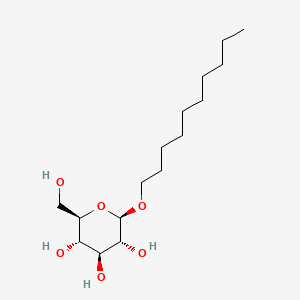
Identifiers
What are the material safety considerations for Alkyl polyglucosides?
Alkyl polyglucosides are considered safe for use in cosmetics when formulated to be nonirritating, based on the Cosmetic Ingredient Review Expert Panel's conclusion covering 19 alkyl glucosides, including decyl glucoside. This safety determination applies to current practices of use and concentrations. No GHS hazard classifications or exposure limits were available in the supplied evidence, so the safety profile rests on cosmetic-use toxicology findings rather than standardized hazard labeling. Formulators should treat nonirritating formulation as a prerequisite for safe use.
How should hazard classifications and toxicology findings for Alkyl polyglucosides be interpreted together?
The available toxicology evidence—CIR conclusions of safety with qualifications—should be interpreted as conditional approval: alkyl polyglucosides are safe only when formulated to avoid irritation. This qualification is decision-relevant because it shifts the burden to formulators to verify non-irritating properties in final products. The absence of GHS classifications means no standardized hazard statements or signal words exist in this evidence, so regulatory classification cannot be inferred. The CIR finding applies to cosmetic use, not to industrial or occupational scenarios, which limits extrapolation.
Which exposure routes, dose contexts, or effects are material for Alkyl polyglucosides?
The material exposure context is dermal, given the cosmetic application focus of the CIR conclusions. The key effect is irritation potential, which is the basis for the 'nonirritating' formulation qualification. No specific dose levels, exposure limits, or systemic toxicity endpoints were provided, so quantitative exposure thresholds cannot be established. For product development, this means irritation is the primary endpoint to manage, and dermal compatibility testing should be prioritized over systemic toxicity assessment based on current evidence.
Which handling and risk-management measures are relevant for Alkyl polyglucosides?
The primary risk-management measure is formulation control to ensure the final product is nonirritating, as required by the CIR safety conclusion. This includes selecting appropriate concentrations and combining ingredients to avoid irritation. Since no handling or exposure-limit data were provided, occupational controls such as ventilation or personal protective equipment cannot be specified from this evidence. For cosmetic formulations, irritation testing and adherence to current use concentrations are the actionable controls; industrial handling would require additional data.
Which safety evidence gaps should be resolved before making decisions about Alkyl polyglucosides?
Before broader safety decisions, the key gaps are GHS hazard classifications, occupational exposure limits, and handling guidance, none of which were provided. These are needed to assess non-cosmetic uses and workplace safety. Additionally, quantitative irritation thresholds and dose-response data would strengthen formulation guidance beyond the qualitative 'nonirritating' requirement. Resolving these gaps would enable regulatory classification and industrial risk assessments; until then, decisions should be limited to cosmetic applications with irritation controls.