“VALITIC Original Japanese Complexion Soap Bar is a luxuriously rich, genth cleanser... INGREDIENTS: Alkyl Polyglucoside (APG), Glycerin, Decyl Glucoside...”
Alkyl Polyglucosides Consumer Sentiment
CtrlK
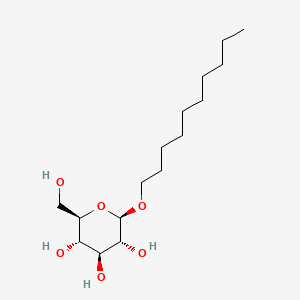
Identifiers
FormulaC16H32O6·CAS58846-77-8·EC261-469-7
How do consumers feel about products containing Alkyl polyglucosides?
Positive
Mixed
Negative
Consumer conversations about Alkyl Polyglucosides are primarily informational, highlighting their gentle nature and natural origins in personal care products.
Which consumer needs, benefits, and objections are associated with Alkyl polyglucosides?
Consumers associate alkyl polyglucosides with gentle cleansing that preserves the skin barrier, avoids tightness or excess oil, and improves skin clarity and texture. They also value the ingredient as plant-derived, biobased, and readily biodegradable, aligning with sustainability and non-toxic preferences. No explicit objections were observed in the evidence, but the absence of negative feedback may reflect limited consumer discourse rather than universal acceptance. The implication is that marketing should emphasize mildness and eco-friendliness, while formulators should be prepared to address potential unstated concerns about performance or cost.
What do consumers discuss about Alkyl polyglucosides?
Gentle Cleansing
Consumers identify APGs as key ingredients for creating gentle, non-irritating cleansers suitable for sensitive skin.
lemon8-app
tiktok
Natural Origin
Users appreciate that Alkyl Polyglucosides are derived from renewable resources like coconut oil and glucose.
instagram
How are current products and patent claims responding to consumer concerns about Alkyl polyglucosides?
Current products, such as The Ordinary Glucoside Foaming Cleanser, respond to consumer needs by highlighting effective yet gentle cleansing, skin barrier safety, and hydration. Brand communications from BASF emphasize the sustainability story of alkyl polyglucosides, including biodegradability and biobased content, while noting milder skin performance compared to market incumbents. No patent claims were available in the evidence, so the response is limited to product positioning and supplier messaging. The implication is that market players are aligning with consumer values of safety and sustainability, but without patent data, the direction of innovation cannot be assessed.
Where is the gap between consumer expectations and the current Alkyl polyglucosides offering?
The gap lies between consumer expectations for both sustainability and high-performance cleansing and the current offering, which is supported by only limited evidence. While consumers praise the ingredient for gentleness and eco-friendliness, there is no data on how it performs against conventional surfactants in terms of foam stability, grease removal, or cost-effectiveness. Additionally, the absence of any objections in the evidence suggests that potential concerns—such as sensory feel, formulation compatibility, or price premiums—remain unexplored. The implication is that researchers should investigate these unaddressed areas to ensure the ingredient meets all consumer expectations, not just the highlighted benefits.
Which formulation approaches are being used to address those concerns around Alkyl polyglucosides?
Formulation approaches observed include combining different alkyl polyglucosides, such as lauryl glucoside and coco glucoside, with water, salt, and citric acid to create non-toxic cleaning liquids. In skincare, the ingredient is used in foaming cleansers that aim to lift dirt and makeup without disrupting the skin barrier, with formulations designed to avoid post-cleansing tightness or greasiness. These approaches respond to consumer desires for mild, effective, and sustainable products. The implication is that formulators are leveraging the ingredient's versatility across both personal care and household applications, but the evidence does not reveal advanced formulation techniques or novel delivery systems.
What consumer-led opportunity or risk should researchers consider for Alkyl polyglucosides?
A consumer-led opportunity exists in the DIY and eco-conscious segment, as evidenced by a brand sharing a homemade washing-up liquid recipe using lauryl and coco glucosides. This indicates a growing interest in self-formulation with non-toxic, biodegradable ingredients, which could inspire commercial products that offer similar customization or transparency. However, the risk is that DIY formulations may lack rigorous safety or efficacy testing, potentially leading to consumer misuse or dissatisfaction. Researchers should consider developing ready-to-use concentrates or clear guidance that bridges the gap between professional and home formulation, while ensuring safety and performance standards are met.